When you think of New Jersey, you might picture the Jersey Shore, bustling New York City suburbs, or famous highways. But there’s another side to the Garden State that draws visitors from all over the world: its incredible music scene. The relationship between music and tourism in New Jersey is strong, vibrant, and deeply woven into the state’s identity. People don’t just visit New Jersey for its beaches or proximity to major cities—they come for the concerts, music festivals, historic venues, and the legendary artists who call it home.
Music isn’t just entertainment in New Jersey; it’s a major economic driver and a key reason why tourists choose this state for their next vacation. From Bruce Springsteen’s Jersey Shore sound to the birthplace of hip-hop influences, from intimate jazz clubs to massive outdoor festivals, New Jersey offers a musical experience that keeps visitors coming back year after year.
Let’s dive into exactly how music and tourism connect in New Jersey, why this relationship matters, and what makes the Garden State such a special destination for music lovers.
Music Festivals and Events Draw Thousands of Visitors Every Year
One of the most obvious ways music boosts tourism in New Jersey is through festivals and live events. These gatherings attract music fans from across the country—and sometimes the world—who travel specifically to experience these celebrations of sound and culture.
New Jersey hosts numerous music festivals throughout the year, covering every genre imaginable. Whether you’re into rock, jazz, classical, hip-hop, or electronic music, there’s a festival waiting for you. These events don’t just fill concert halls; they fill hotels, restaurants, and local businesses.
The distortions of a summer music festival in New Jersey can be felt across the entire local economy. When thousands of people descend on a town for a weekend of music, they need places to sleep, food to eat, and transportation to get around. Local shops sell merchandise, nearby attractions see increased foot traffic, and the state’s tourism board often promotes these events as must-visit experiences.
Some of the most notable music festivals in New Jersey include:
- The Newport Folk Festival influences and summer concert series that bring classic and contemporary folk artists to NJ venues
- Jazz festivals celebrating the state’s rich jazz heritage, particularly in cities with strong African American cultural histories
- Rock and pop festivals featuring both legendary acts and up-and-coming artists
- Classical music events at prestigious venues like the New Jersey Performing Arts Center in Newark
- Local borough and town festivals that showcase regional talent and draw neighboring communities
These festivals create a ripple effect. A visitor might come primarily for the music but end up exploring nearby attractions, trying local cuisine, and discovering the unique character of New Jersey towns they’d never otherwise visit. Many tourists report that attending a music festival was their “gateway” to discovering New Jersey as a travel destination.
The timing of these events also matters. Summer festival season aligns perfectly with vacation time for families and the peak tourism season at the Jersey Shore. This overlap creates a powerful combination: visitors can enjoy beach days by morning and concert nights by evening, making New Jersey an even more attractive vacation spot.
Local governments and tourism boards recognize this power. They actively promote music festivals in their marketing campaigns, partner with event organizers, and sometimes provide funding or logistical support to ensure these events succeed. It’s a win-win: festivals get the resources they need to thrive, and communities benefit from the economic boost and positive exposure.
Legendary Artists and Music History Make New Jersey a Pilgrimage Destination
New Jersey isn’t just hosting music events; it’s home to some of the most iconic musicians in American history. This connection between legendary artists and the state creates a unique form of tourism known as “music heritage tourism,” where fans travel to connect with the places, venues, and stories associated with their favorite performers. For aspiring musicians, these experiences can also serve as inspiration to develop their own skills through guitar playing tips, music workshops, and professional guitar lessons. Many visitors seek out local music schools and instructors while exploring New Jersey’s rich musical heritage, taking advantage of opportunities to learn techniques such as chord transitions, strumming patterns, fingerstyle playing, and improvisation. By combining music tourism with hands-on guitar education, fans can deepen their appreciation for the artists who shaped the industry while advancing their own musical journey.
Bruce Springsteen is arguably the most famous example. Known as “The Boss,” Springsteen was born and raised in Freehold, New Jersey, and his music is deeply rooted in Jersey working-class culture. Fans from around the world visit Freehold to see his childhood home, visit local landmarks mentioned in his songs, and experience the kind of places that inspired albums like “Born to Run” and “Darkness on the Edge of Town.” The Springsteen effect on Freehold’s tourism is measurable and significant—local businesses proudly display Springsteen memorabilia, and tours of the town highlight music-related landmarks.
But Springsteen isn’t alone. New Jersey has produced or been home to countless influential musicians across genres:
- Whitney Houston, born in Newark, one of the best-selling music artists of all time
- Bobby Darin, from the Bronx but raised in New Jersey, known for “Mack the Knife” and “Beyond the Sea”
- Jon Bon Jovi, born in Perth Amboy, whose rock anthems put New Jersey on the global music map
- Southside Johnny, a Jersey Shore staple whose music embodies the state’s coastal culture
- Laura Nyro, from New Rochelle but deeply connected to the New York-New Jersey music scene
- Countless hip-hop artists who emerged from Newark, Camden, and other urban centers
These artists’ connections to New Jersey create what tourism experts call “pull factors”—reasons for people to choose this destination over others. A Bruce Springsteen fan might choose to visit New Jersey instead of another state specifically because of that connection. A Whitney Houston admirer might travel to Newark to honor her legacy.
Music museums and exhibits also play a role. While New Jersey doesn’t have a single “music museum” on the scale of the Rock and Roll Hall of Fame in Cleveland, there are numerous exhibits, historical markers, and local museums that celebrate the state’s musical contributions. The New Jersey State Museum and various local historical societies regularly feature exhibits on music history.
Venues with historical significance also attract visitors. The Count Basie Theatre in Red Bank, named after the legendary jazz musician who lived in New Jersey, hosts performances and serves as a cultural landmark. The Paramount Theatre in Asbury Park—closely tied to Springsteen and the Jersey Shore sound—draws tourists who want to experience the same stage where their favorite artists performed.
This music heritage tourism isn’t just about nostalgia. It’s about authentic experiences. Visitors want to walk the same streets their favorite artists walked, visit the same diners they ate at, and feel the same coastal breeze that inspired their songs. New Jersey offers that authenticity in abundance.
The state’s proximity to New York City also amplifies this effect. Many musicians who perform in NYC live in New Jersey, and some choose NJ venues for more intimate shows. This creates a unique dynamic where music fans can catch major artists in smaller, more personal settings right in New Jersey.
Music Venues and Cultural Districts Create Tourism Hubs Across the State
Beyond festivals and famous artists, New Jersey’s music venues themselves are tourist destinations. These spaces aren’t just places to hear music; they’re cultural hubs that define neighborhoods, drive local economies, and give visitors a reason to explore specific towns and cities.
Newark provides a prime example. The New Jersey Performing Arts Center (NJPAC) is one of the largest performing arts centers in the United States outside of New York City. Since opening in 1997, it has transformed downtown Newark into a cultural destination. People travel from across the region specifically to attend concerts, ballets, operas, and other performances at NJPAC. The venue hosts everything from international classical musicians to popular hip-hop artists, making it appealing to diverse audiences.
The impact goes beyond the venue itself. When people come to NJPAC, they also visit nearby restaurants, bars, and hotels. They explore Newark’s other attractions, including the Newark Museum of Art and Branch Brook Park (famous for its cherry blossoms). NJPAC has been instrumental in Newark’s downtown revitalization, proving that music venues can be catalysts for broader economic development.
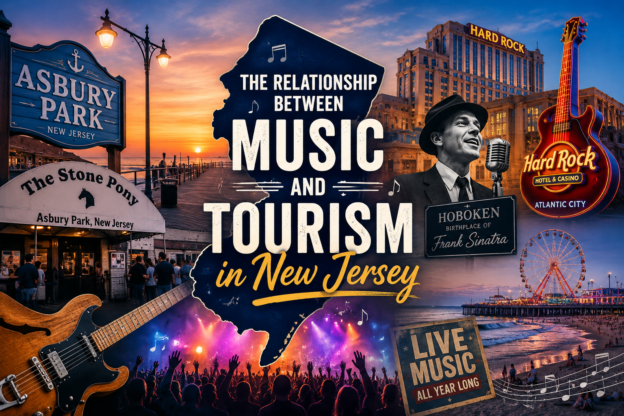
Asbury Park offers another compelling story. Once a struggling shore town, Asbury Park has reinvented itself as a music and arts destination, largely thanks to its connection to Bruce Springsteen and the Jersey Shore sound. The Stone Pony, a legendary club opened in 1974, is where Springsteen and countless other artists got their start. Today, it remains one of the most famous music venues on the East Coast, drawing fans who want to experience where music history was made.
The Stone Pony isn’t just a tourist attraction; it’s a working venue that hosts both emerging and established artists. Visitors come to see namaed acts but also to discover new talent in the same space where legends began. This creates a dynamic, living music scene rather than a static museum experience.
Asbury Park’s music scene has sparked a broader revitalization. The boardwalk has been restored, new restaurants and shops have opened, and the town now hosts the Asbury Park Music & Film Festival annually. The music identity has become the town’s brand, attracting tourists who want to experience authentic Jersey Shore culture.
Red Bank is another example. This Monmouth County borough has developed a vibrant downtown arts district centered around venues like the Count Basie Theatre and Tucker Station. The town actively promotes its music and arts scene, creating a destination that draws visitors from throughout New Jersey and beyond.
Princeton and other college towns also contribute to the music-tourism relationship. Universities host concerts, bring in touring acts, and create environments where music thrives. Visitors often combine cultural events with other Princeton attractions, creating multi-faceted trips.
The Jersey Shore towns, beyond Asbury Park, also leverage music to attract tourists. Beach towns host summer concert series, outdoor festivals, and live music at bars and restaurants. This creates a “beach plus music” vacation model that’s more appealing than beaches alone.
These venues and cultural districts create what urban planners call “destination clusters”—areas where multiple attractions, amenities, and experiences work together to draw and retain visitors. A music venue might be the primary draw, but once visitors arrive, they discover restaurants, shops, parks, and other attractions that extend their stay and increase their spending.
Local governments understand this dynamic. They invest in venue infrastructure, support arts programming, and market music districts as tourist destinations. They recognize that music isn’t just entertainment; it’s economic development.
The Economic and Cultural Impact of Music on New Jersey Tourism
The relationship between music and tourism in New Jersey isn’t just cultural—it’s economic. Music-driven tourism generates significant revenue for the state, supports jobs, and helps sustain local businesses throughout the year.
When music tourists visit New Jersey, they spend money on:
- Accommodations: Hotels, motels, bed-and-breakfasts, and vacation rentals
- Food and beverage: Restaurants, bars, cafes, and food trucks
- Transportation: Gas, parking, rideshares, and public transit
- Merchandise: Concert T-shirts, vinyl records, local crafts, and souvenirs
- Other attractions: Museums, beaches, parks, and shopping
Studies of music tourism show that concert-goers typically spend significantly more than average tourists. A fan traveling specifically for a concert or festival will often stay multiple nights, dine out regularly, and visit local attractions in addition to the event itself. This “multiplier effect” means that every dollar spent on a ticket generates additional economic activity throughout the community.
New Jersey’s music tourism also supports jobs. Venue staff, sound engineers, security personnel, hotel workers, restaurant employees, and transportation providers all benefit from music-driven visitor traffic. The arts and culture sector, which includes music, employs thousands of New Jersey residents.
Beyond direct economic impact, music tourism enhances New Jersey’s brand as a destination. A state known for great music is more attractive than a state known only for beaches or proximity to NYC. Music gives New Jersey a unique identity and story to tell potential visitors.
This branding effect is particularly important for smaller towns and rural areas. A small borough might not have famous beaches or major attractions, but if it hosts a well-promoted music festival or has a historic venue, it can draw visitors who wouldn’t otherwise consider it. Music levels the playing field, allowing smaller communities to compete for tourism dollars.
Music also creates emotional connections with places. When someone has a memorable concert experience in New Jersey, they’re more likely to return. They might bring friends, recommend the destination to family, or post about it on social media, creating free marketing for the state. These emotional connections are more powerful than any advertisement.
The cultural impact is equally important. Music tourism brings diverse people together—people from different backgrounds, ages, and regions who share a love of music. This cultural exchange enriches communities, fosters understanding, and creates lasting memories. Music festivals and concerts become shared experiences that define people’s relationships with New Jersey.
Why Music Makes New Jersey a Unique Tourism Destination
What sets New Jersey apart from other music tourism destinations is the combination of factors it offers:
- Accessibility: New Jersey’s location between New York City and Philadelphia makes it easy for music fans to reach. Many visitors combine a New Jersey music experience with visits to these neighboring cities, creating multi-destination trips.
- Variety: From intimate jazz clubs to massive outdoor festivals, from classical concert halls to punk rock clubs, New Jersey offers music experiences across all genres and price points. This variety appeals to diverse audiences.
- Authenticity: New Jersey’s music scene isn’t manufactured for tourists. It’s a living, breathing part of the state’s culture. Visitors experience real music in real venues with real artists, not tourist traps designed for visitors.
- History: New Jersey’s connection to legendary artists and music movements gives it depth and authenticity that newer music destinations can’t match. Fans can connect with music history by visiting actual places where history happened.
- Seasonal diversity: While summer festival season is peak, music events happen year-round. Winter concerts, indoor venues, and off-season festivals ensure music tourism isn’t limited to warm months.
- Coastal plus music: The unique combination of Jersey Shore beaches with music venues creates a vacation model that’s hard to replicate elsewhere. Beach days and concert nights in the same trip is a powerful draw.
For travelers planning a trip, New Jersey offers something special: the chance to experience world-class music in an authentic, accessible, and diverse setting. Whether you’re a lifelong Bruce Springsteen fan, a jazz enthusiast, a festival-goer, or just someone who loves live music, New Jersey has a place for you.
The relationship between music and tourism in New Jersey is symbiotic. Music brings visitors to the state, and those visitors support musicians, venues, and the broader music ecosystem. This cycle creates a thriving music scene that continues to attract more visitors, more artists, and more investment.
As New Jersey continues to develop its tourism infrastructure and promote its music heritage, this relationship will only strengthen. New music venues will open, new festivals will launch, and new artists will emerge from the Garden State. And music lovers will continue to discover why New Jersey is one of the best destinations for musical experiences in the Northeast.
So the next time you’re planning a trip and love music, consider New Jersey. You might come for a concert but stay for the beaches, the food, the history, and the unforgettable experience of experiencing music in the place where it’s authentically alive. The rhythm of the Garden State is waiting for you.