
Author Archives: Guy Payne

What State Has the Most State Songs?

State songs serve as a source of pride and identity for each state in the United States. Each song tells a unique story about the state’s history, culture, and values, and serves as a symbol of unity and community. While every state has at least one official state song, some states have multiple official state songs. In this article, we will explore which state has the most state songs and what makes their songs unique.

The state with the most official state songs is Massachusetts, with a total of 23 official state songs. These songs range from traditional folk songs to modern ballads, and they reflect the state’s diverse history and culture. Some of the most well-known Massachusetts state songs include “The Road to Boston”, “All Hail to Massachusetts”, and “The Massachusetts Song”.

One reason why Massachusetts has so many state songs is its rich history. Massachusetts played a pivotal role in the American Revolution, and many of its state songs reflect this heritage. For example, “The Road to Boston” tells the story of Paul Revere’s famous ride, while “The Battle Hymn of the Republic” was written by Massachusetts native Julia Ward Howe during the Civil War.

Another reason why Massachusetts has so many state songs is its strong cultural traditions. Massachusetts is home to a thriving arts scene, and many of its state songs celebrate the state’s contributions to music and the arts. For example, “The Massachusetts Song” was written by composer Arthur Foote in honor of the state’s centennial in 1888, while “Hooray for Massachusetts” was written by composer Bernie Wayne in the 1950s and has since become a popular anthem for sports teams across the state.

While Massachusetts has the most official state songs, several other states have multiple state songs as well. For example, Pennsylvania has two official state songs: “Pennsylvania” and “Pennsylvania, Pennsylvania”. Both of these songs celebrate the state’s natural beauty and history, and they have been popular with residents of the state for generations.

Similarly, Kansas has two official state songs: “Home on the Range” and “Sunflower”. “Home on the Range” is a traditional folk song that has become an iconic symbol of the American West, while “Sunflower” was written by Kansas native Mildred D. Jellison and celebrates the state’s state flower.

Some states have multiple official state songs because they have designated different songs for different purposes. For example, Texas has two official state songs: “Texas, Our Texas” and “The Eyes of Texas”. “Texas, Our Texas” is the state’s official song, while “The Eyes of Texas” is the official song of the University of Texas at Austin.

Similarly, New Hampshire has two official state songs: “Old New Hampshire” and “New Hampshire, My New Hampshire”. “Old New Hampshire” is the state’s official song, while “New Hampshire, My New Hampshire” is the official song of the University of New Hampshire.

In some cases, states have multiple official state songs because they have revised or updated their state song over time. For example, California has two official state songs: “I Love You, California” and “California, Here I Come”. “I Love You, California” was adopted as the state song in 1951, while “California, Here I Come” was added as a state song in 1988 to celebrate the state’s 150th anniversary.

Similarly, Michigan has two official state songs: “Michigan, My Michigan” and “The Michigan State Song”. “Michigan, My Michigan” was adopted as the state song in 1937, while “The Michigan State Song” was added as a state song in 1972 to replace the original state song, which was considered outdated and offensive.

Missouri: The Show-Me State
Missouri is the state with the second-highest number of official state songs. The state has adopted a total of six state songs throughout its history. The first of these, “The Missouri Waltz,” was adopted as the official state song in 1949. This song was written by Frederick Knight Logan and James Royce Shannon in 1914, and it quickly became a popular tune throughout the state. It was eventually adopted as the state song, and it remained so until 1965.


“The Missouri Waltz” was replaced that same year by “Missouri,” which was written by two St. Louis natives, Frederic Knight Logan and Wilhelmina L. Frankenfeld. This song was adopted as the official state song by the Missouri General Assembly in 1965, and it is still the state song today. “Missouri” is a simple, patriotic tune that celebrates the state’s natural beauty, history, and culture. The song’s lyrics include references to the state’s “mighty rivers,” “rolling hills,” and “boundless skies,” as well as to the “home of pioneers” and the “land of the brave and free.”

In addition to these two state songs, Missouri has adopted four other official state songs over the years. These include “The Brownie Song,” which is the official song of the Missouri State Society Daughters of the American Revolution; “Kansas City,” which was written by Jerry Lieber and Mike Stoller and was adopted as the state song of Missouri in 1988; “The Missouri March,” which was written by John Philip Sousa and adopted as the state march of Missouri in 1987; and “Route 66,” which was written by Bobby Troup and adopted as the state song of Missouri in 2006.

Texas: The Lone Star State
Texas is another state that has adopted multiple official state songs. The state has a total of five official state songs, making it the third state with the most state songs. The first of these songs, “Texas, Our Texas,” was adopted by the Texas Legislature in 1929. This song was written by William J. Marsh and Gladys Yoakum Wright, and it quickly became a popular tune throughout the state.


“Texas, Our Texas” is a patriotic song that celebrates the state’s natural beauty and rich history. The song’s lyrics include references to the state’s “prairies wide and high,” “mountains grand,” and “rivers that shine.” It also pays tribute to the state’s heroes, including Davy Crockett, Sam Houston, and Stephen F. Austin.

In addition to “Texas, Our Texas,” the Lone Star State has adopted four other official state songs over the years. These include “Texas, Our Texas (1933 Version),” which was adopted in 1933; “The Eyes of Texas,” which was written by John Lang Sinclair and adopted as the official song of the University of Texas in 1904 before being adopted as the state song in 1929;

“Texas, the Beautiful and the Great,” which was written by Leonora Barrett and adopted in 1975; and “Deep in the Heart of Texas,” which was written by June Hershey and Don Swander and adopted in 1987.

Deep In The Heart Of Texas Song

In conclusion, state songs are a unique aspect of American culture and history. They celebrate the diverse geography, culture, and history of each state, and they serve as a source of pride and identity for many Americans. While some states have adopted only one official state song, others have adopted multiple songs over the years.
What is the Music Scene Like in NJ?

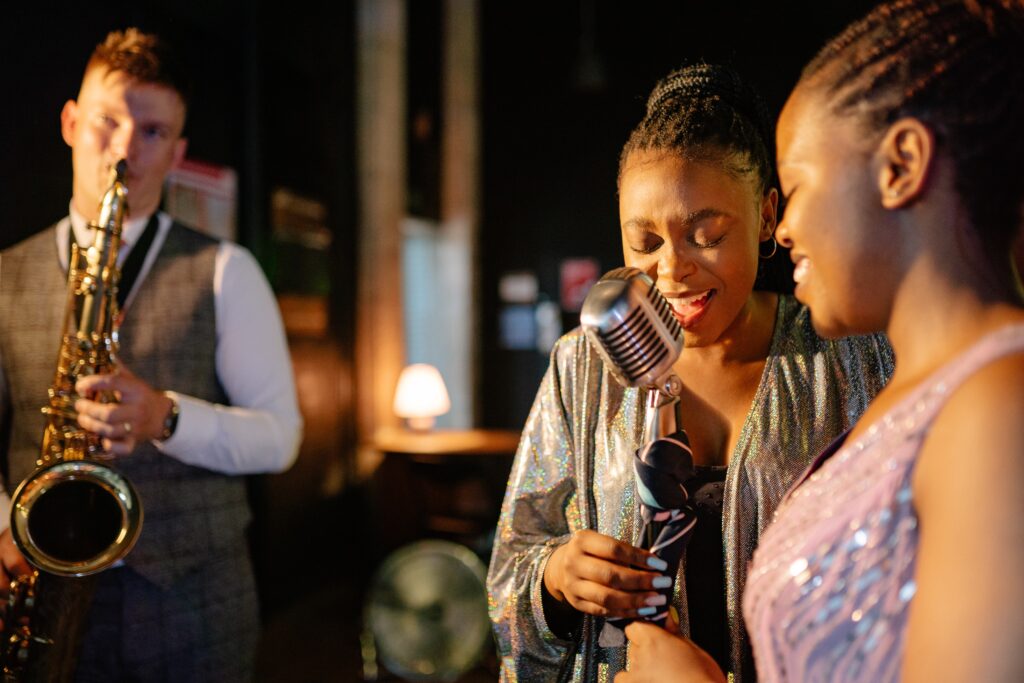
New Jersey has a rich and diverse music scene that is deeply rooted in the state’s history and culture. From the birth of jazz in Newark to the thriving indie rock scene in Asbury Park, New Jersey has played a significant role in shaping the American music landscape. In this article, we will explore the different genres and venues that make up the music scene in NJ.

Jazz
Newark, NJ, is considered to be the birthplace of jazz in America. The city has produced some of the most influential jazz musicians in history, including Sarah Vaughan, James Moody, and Wayne Shorter. The Newark Museum of Art is home to the largest collection of Tibetan art in the Western Hemisphere, and it also features a jazz exhibit that highlights the history of jazz in Newark.

Newark is also home to the New Jersey Performing Arts Center, which is one of the premier performing arts venues in the state. The venue regularly hosts jazz concerts featuring both established and up-and-coming musicians. The Bethany Baptist Church in Newark is another popular venue for jazz performances, with a long history of hosting jazz concerts.

Rock and Pop
Asbury Park, NJ, has a rich history in rock and pop music, thanks to its famous boardwalk and beach. In the 1960s and 1970s, Asbury Park was a hot spot for rock and roll, with legendary musicians like Bruce Springsteen and Jon Bon Jovi playing in local clubs and bars. The Stone Pony, located on Ocean Avenue in Asbury Park, is one of the most famous venues in the city and has hosted countless iconic performances over the years.

The Asbury Lanes is another popular venue that has been recently renovated and now features a state-of-the-art sound system, bowling lanes, and a bar. The venue regularly hosts concerts featuring both local and national acts.

Hip Hop
Newark and Jersey City are two cities that have contributed significantly to the hip-hop scene in New Jersey. Newark’s hip hop scene has produced some of the most influential rappers in the country, including Redman, Naughty by Nature, and Queen Latifah. The city is home to the New Jersey Hip Hop Festival, which brings together local and national hip hop artists for a weekend of concerts and events.

Jersey City’s hip-hop scene is also thriving, with artists like Joe Budden and Ransom gaining national attention in recent years. The city is home to the Jersey City Hip Hop Festival, which is a two-day event that celebrates the hip-hop culture through music, dance, and art.

Classical Music
The New Jersey Symphony Orchestra is one of the most respected orchestras in the country, with a long history of performing classical music to audiences in New Jersey and beyond. The orchestra regularly performs at the New Jersey Performing Arts Center in Newark and other venues across the state.

The Princeton Symphony Orchestra is another popular classical music ensemble in New Jersey. The orchestra is known for its innovative programming and has earned critical acclaim for its performances. The Richardson Auditorium at Princeton University is the orchestra’s main performance venue.

Folk Music
The Folk Project is a nonprofit organization that promotes folk music and hosts regular concerts and events throughout the year. The organization is based in Morristown, NJ, and is dedicated to preserving and promoting traditional and contemporary folk music.
The Hoboken Arts and Music Festival is another popular event that features folk music and other genres. The festival takes place every year in May and attracts thousands of visitors from across the state.

Venues
In addition to the specific genres and artists, New Jersey is home to a variety of venues that cater to different types of music fans. The Prudential Center in Newark is one of the largest and most modern arenas in the state and regularly hosts major concerts and events. The PNC Bank Arts Center in Holmdel is another popular outdoor venue that attracts big-name acts and has a capacity of up to 17,500 people. The venue hosts a variety of concerts, festivals, and other events throughout the year.

The Count Basie Center for the Arts in Red Bank is another popular venue that hosts concerts and other performances. The venue is named after the legendary jazz musician Count Basie, who was born in Red Bank, and features a variety of genres, including rock, pop, jazz, and classical music. Red Bank, New Jersey is a popular spot, not just for music, but for fine dining, parks, and more.

The Starland Ballroom in Sayreville is a popular venue for rock and metal concerts and has a capacity of up to 2,500 people. The venue has hosted many well-known rock bands, including Fall Out Boy, Paramore, and My Chemical Romance.

In addition to these larger venues, there are many smaller clubs and bars throughout the state that host live music on a regular basis. Maxwell’s Tavern in Hoboken is a popular spot for indie rock and punk shows, while the Wonder Bar in Asbury Park is a favorite for local and regional acts. The Saint in Asbury Park is another popular venue for live music, featuring a variety of genres, including rock, hip hop, and electronic music.

In conclusion, New Jersey’s music scene is diverse and vibrant, with a rich history that has shaped the American music landscape. From the birth of jazz in Newark to the thriving indie rock scene in Asbury Park, New Jersey has something to offer music fans of all genres. With a variety of venues, festivals, and events, there are plenty of opportunities to catch live music throughout the state. Whether you’re a fan of classical music, hip hop, or rock and roll, there’s something for everyone in New Jersey’s music scene. In this article, we have explored the different genres and venues that make up the music scene in NJ.

How Did “Born to Run” Become a State Anthem?

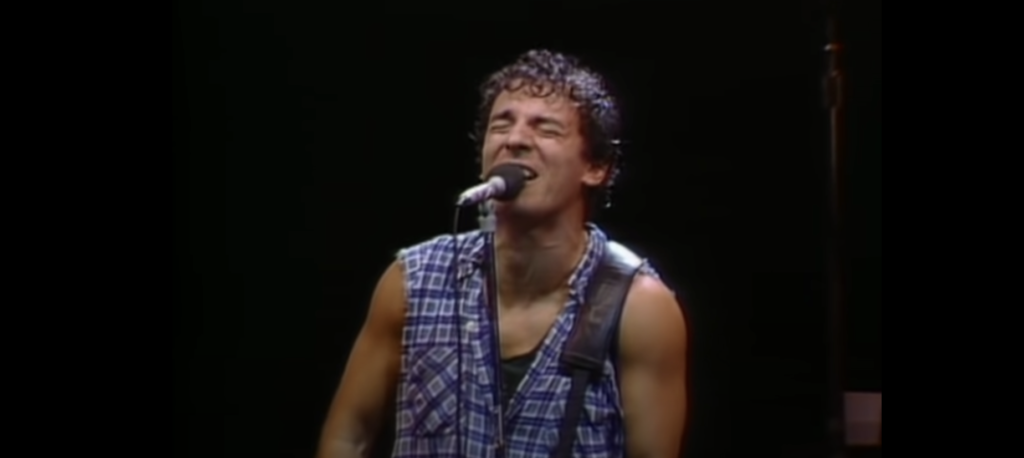
Bruce Springsteen – Born to Run (The River Tour, Tempe 1980)

Bruce Springsteen’s 1975 album “Born to Run” is widely considered to be one of the greatest rock albums of all time. The album’s title track, “Born to Run,” has become a cultural touchstone, an anthem of youthful rebellion and escape that has resonated with generations of fans. But while the song’s universal themes of freedom and adventure have made it a classic, its connection to Springsteen’s home state of New Jersey has also helped to cement its status as a beloved Jersey anthem.

Springsteen grew up in Freehold, New Jersey, and his music has always been deeply rooted in the culture and history of the state. His lyrics are often filled with references to New Jersey landmarks and characters, from the boardwalks of Asbury Park to the highways that crisscross the state. But it was “Born to Run” that really put Springsteen on the map as a voice of New Jersey and its people.

The song’s opening lines immediately set the stage: “In the day we sweat it out on the streets / Of a runaway American dream.” These lyrics capture the restlessness and yearning for something more that many young people in New Jersey feel. Springsteen’s lyrics go on to describe a world of fast cars and late-night adventures, where escape is the only option: “We’ll run till we drop, baby we’ll never go back / Will you walk with me out on the wire / ‘Cause baby I’m just a scared and lonely rider.”

For many Jersey residents, the song’s depiction of a life spent chasing a dream and living on the edge of society is deeply relatable. The state has a long history of producing working-class heroes who have struggled to make ends meet, and Springsteen’s music speaks directly to this experience. As one fan told NPR, “It’s not just a song for people from New Jersey, it’s a song for anyone who feels like they’re trapped and they’re trying to break free.”

In addition to its lyrical content, “Born to Run” also captures the spirit of the New Jersey music scene at the time. In the 1970s, Asbury Park was a hotbed of musical talent, with clubs like The Stone Pony and The Fast Lane hosting up-and-coming artists like Springsteen, Southside Johnny, and Bon Jovi. The sound of the Jersey Shore music scene was gritty and raw, with influences ranging from soul and R&B to rock and roll and punk. “Born to Run” embodies this sound, with its soaring saxophone solos and driving guitar riffs.

Over the years, “Born to Run” has become a fixture of Jersey culture, and its popularity has only grown with time. In 2009, the song was designated the official state anthem of New Jersey, a fitting tribute to its status as a cultural touchstone. Springsteen has also continued to play the song at concerts throughout his career, and it remains one of his most iconic hits.

But “Born to Run” is more than just a song – it’s a symbol of the New Jersey spirit. It represents the struggles and dreams of working-class people everywhere, and the belief that anything is possible if you’re willing to fight for it. As Springsteen himself once said, “I wanted to make the greatest rock record I’d ever heard. I wanted it to sound enormous, to grab you by your throat and insist that you take that ride – to speak to the part of you that can’t quite believe that you’re really alive.”

For many New Jerseyans, “Born to Run” speaks directly to this experience of living on the edge of the American dream. It is a song about the power of hope, and the belief that no matter how hard things get, there is always a way out.

In addition to its impact on New Jersey culture, “Born to Run” has also had a profound influence on music as a whole. The album was a commercial and critical success, cementing Springsteen’s place as one of the most important artists of his generation. Its themes of youthful rebellion and longing for escape resonated with listeners across the country and around the world, and it helped to define the sound of rock and roll for a new generation.

But even as “Born to Run” became a cultural touchstone, its connection to New Jersey remained central to its appeal. The state has long been associated with a certain kind of gritty, blue-collar authenticity, and Springsteen’s music embodies this spirit. His songs are filled with references to New Jersey landmarks and culture, from the neon lights of the Jersey Shore to the diners and highways that dot the state.

For many fans, Springsteen’s music is a powerful expression of the New Jersey experience. As one fan put it in an interview with NPR, “He sings about things that are very specific to New Jersey, but they’re also universal. There’s something about the way he tells those stories that makes you feel like you’re part of it.”

And while Springsteen’s music has evolved over the years, he has never lost touch with his roots in New Jersey. His 2019 album “Western Stars” explores a different kind of American landscape – the deserts and canyons of the American West – but even here, there are echoes of his Jersey heritage. In songs like “Tucson Train” and “Drive Fast (The Stuntman),” Springsteen draws on the same themes of escape and redemption that have always been central to his music.

As Springsteen himself once said, “You can’t really know who you are until you know where you’re from.” For him, that means New Jersey – a place of grit, determination, and endless possibility. And for fans of his music, that connection to the Garden State is a big part of what makes his music so special. Whether you’re a lifelong resident of New Jersey or just a fan of Springsteen’s music, there’s something uniquely powerful about the way his music captures the spirit of the state and its people.


What is the Purpose of a State Song?

State songs have been adopted by numerous states across the United States as a means of promoting a sense of identity, history, and culture. Each state’s official song is typically chosen by the state’s legislature or governor and is meant to represent the state’s unique heritage and values. While the specific purposes of state songs may vary, they are generally intended to promote a sense of pride and unity among residents and to serve as an important symbol of the state’s cultural identity.

One of the main purposes of a state song is to promote state pride and identity. By adopting an anthem that is unique to a particular state, residents are able to connect with their cultural heritage and feel a sense of ownership over their home state. The song serves as a reminder of the state’s unique history, traditions, and values, and helps to create a shared sense of identity among its residents.

Another purpose of state songs is to promote tourism and economic development. A memorable state song can become an important part of a state’s brand, attracting visitors and businesses to the area. For example, the official state song of Tennessee, “Rocky Top,” has become synonymous with the state’s natural beauty, friendly people, and rich musical heritage. The song has been covered by countless artists over the years and is played at sporting events, concerts, and other public gatherings, helping to promote Tennessee’s unique culture and attract visitors to the state.

State songs can also be used to commemorate important events and figures in a state’s history. Many state songs were written to honor famous politicians, military leaders, or other influential people who played a significant role in the state’s development. For example, the official state song of Illinois, “Illinois,” was written to celebrate the state’s centennial in 1918 and includes references to famous Illinoisans such as Abraham Lincoln and Ulysses S. Grant.

Furthermore, state songs can serve as a means of promoting social and political values that are important to a particular state. For example, the official state song of Massachusetts, “All Hail to Massachusetts,” includes lyrics that celebrate the state’s commitment to education, freedom, and equality. Similarly, the official state song of New Hampshire, “Old New Hampshire,” includes references to the state’s rugged natural beauty and independent spirit.

Despite their popularity and cultural significance, state songs have sometimes been the subject of controversy. In some cases, the lyrics or music of a state song have been criticized as outdated, insensitive, or even offensive. For example, the official state song of Maryland, “Maryland, My Maryland,” has been criticized for its pro-Confederate lyrics and its association with the Civil War. Similarly, the official state song of Georgia, “Georgia On My Mind,” has been criticized for its romanticized portrayal of the antebellum South and its association with racial segregation.

In recent years, some states have taken steps to address these controversies by either revising the lyrics of their state songs or adopting new songs altogether. For example, in 2019, the Oklahoma state legislature voted to replace the official state song, “Oklahoma!,” with a new song that better reflects the state’s modern values and diverse population.

While controversies surrounding state songs are not uncommon, they remain an important part of American culture, serving as a symbol of each state’s unique heritage and identity. Whether they are catchy tunes that celebrate a state’s natural beauty and friendly people or solemn ballads that honor its historical figures and events, state songs are an enduring expression of the shared values and experiences that bring us together as Americans.

There is one state that stands out from the others when it comes to its official state song. That state is Georgia, and its official state song is none other than “Georgia On My Mind,” written by Hoagy Carmichael and Stuart Gorrell in 1930. It became a popular jazz standard and was made famous by Ray Charles, who recorded a version that became the official state song of Georgia in 1979.

The purpose of a state song varies from state to state, but generally, it serves as a way to celebrate the history, culture, and identity of the state. State songs often feature lyrics that reference the state’s landmarks, natural beauty, and notable events in its history. They may also be used as a way to promote tourism and encourage civic pride among residents.

For many states, the official state song is a point of pride and a symbol of their unique identity. It can be a unifying force that brings together people from different backgrounds and regions within the state. In some cases, the state song has even been used to inspire a sense of patriotism and loyalty to the state.

State songs are often performed at official state functions and events, such as inaugurations, parades, and other celebrations. They may also be played at sporting events or used as background music in television and film productions that are set in the state. In this way, state songs can become part of the popular culture and help to reinforce the state’s image and identity.

However, as discussed, the selection of a state song can sometimes be controversial. Some state songs may contain lyrics that are seen as offensive or outdated, as previously mentioned, or they may not accurately reflect the state’s current identity. In some cases, there may be disagreement over which song should be designated as the official state song, or whether the state even needs one at all.

Despite these challenges, state songs remain an important aspect of American culture and history. They provide a window into the unique identity and culture of each state, and they can help to foster a sense of community and pride among residents. While they may not be as well-known as national anthems, state songs play an important role in celebrating and preserving the diverse heritage of the United States.

Is Born to Run The Best Album Ever?

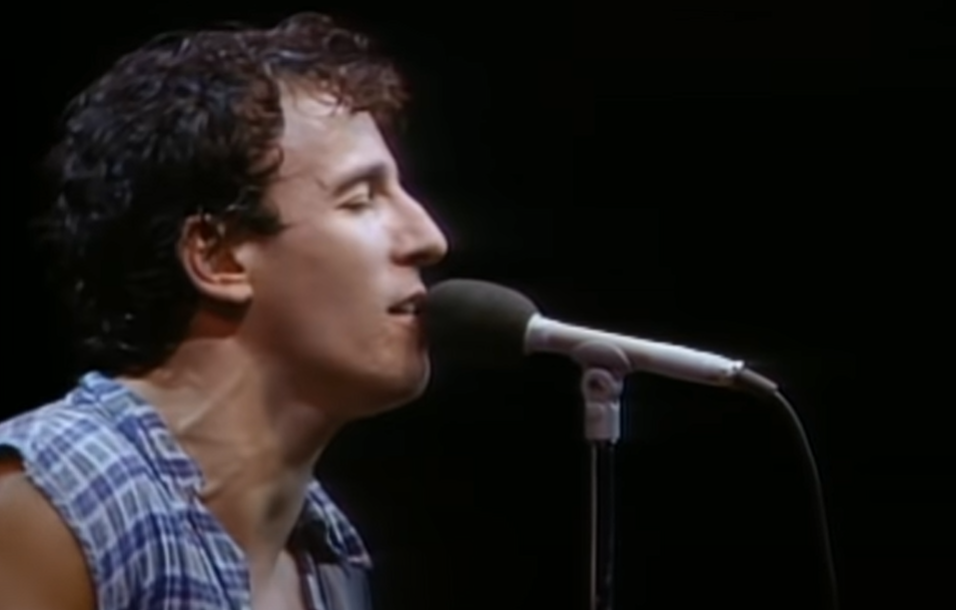
Screenshot from https://youtu.be/IxuThNgl3YA

The question of whether “Born to Run” is the best album ever is a highly subjective one. While the album is widely regarded as a classic and has had a profound impact on music and culture, it’s difficult to say definitively whether it is the best album ever made.

What is clear, however, is that “Born to Run” is a masterpiece of rock and roll. From the iconic opening track that shares the album’s name to the epic, cinematic “Jungleland,” every song on the album is a tour de force of songwriting, performance, and production.

At its heart, “Born to Run” is an album about escape and yearning for something more. Springsteen’s lyrics are full of vivid characters and stories, from the young lovers racing down Thunder Road to the street toughs of “Meeting Across the River.” And while the songs are rooted in the specific experiences of New Jersey and its people, their themes of hope, longing, and struggle resonate with listeners from all walks of life.

Musically, “Born to Run” is equally ambitious. The album’s sound is a seamless blend of rock, soul, and pop influences, with lush arrangements and soaring melodies that perfectly complement Springsteen’s lyrics. The E Street Band’s performances are tight and powerful, adding a sense of urgency and passion to every song.

Of course, “Born to Run” is not without its flaws. Some critics have argued that the album is overproduced, and that Springsteen’s later work – which often features more stripped-down arrangements – is more authentic and raw. Others have suggested that the album’s cultural impact has overshadowed its actual musical merits, and that there are other albums that are equally deserving of the title “best ever.”

Ultimately, though, the question of whether “Born to Run” is the best album ever is less important than the fact that it continues to inspire and move listeners more than four decades after its release. The album has become a cultural touchstone, a symbol of the power of rock and roll to connect people across time and space. Whether you’re a die-hard Springsteen fan or simply someone who appreciates great music, “Born to Run” is an album that demands to be heard, again and again.

One reason why “Born to Run” has had such a lasting impact is its influence on subsequent generations of musicians. Springsteen’s blend of rock, soul, and pop would go on to inspire countless artists, from fellow New Jersey native Bon Jovi to newer acts like The Gaslight Anthem and The War on Drugs. The album’s themes of working-class struggle and the search for meaning and purpose have also resonated with musicians and fans alike, with Springsteen becoming a kind of patron saint of blue-collar America.
Another factor that contributes to “Born to Run’s” status as a classic album is its timelessness. Despite being released in 1975, the album’s themes and sound remain just as relevant and powerful today. In a world where economic inequality, social injustice, and political turmoil continue to dominate the headlines, Springsteen’s songs of hope and defiance have lost none of their urgency or potency.

It’s worth noting, too, that “Born to Run” was not an immediate commercial success. The album’s lead single, “Born to Run,” only reached #23 on the Billboard Hot 100, and it wasn’t until the release of the album’s third single, “Tenth Avenue Freeze-Out,” that it began to gain traction. It wasn’t until the early 1980s, when Springsteen achieved mainstream success with the albums “The River” and “Born in the U.S.A.,” that “Born to Run” began to be seen as the classic that it is today.

Perhaps the most compelling argument in favor of “Born to Run” as the best album ever is the fact that it has touched so many lives in so many different ways. For millions of fans around the world, the album is a source of comfort, inspiration, and hope. Its songs have been played at countless weddings, funerals, and other important moments in people’s lives. It’s the kind of album that people return to again and again, finding new meanings and resonances each time they listen.

In the end, whether “Born to Run” is the best album ever is a question that will continue to be debated and discussed for years to come. What is certain, however, is that the album is a masterpiece of rock and roll that has had a profound impact on music, culture, and the lives of millions of fans around the world. For anyone who loves great music, “Born to Run” is an album that simply cannot be ignored.

It’s also worth considering the album’s impact on the music industry as a whole. “Born to Run” marked a turning point in Springsteen’s career, and its success paved the way for him to become one of the biggest rock stars of the 1980s. But beyond that, the album also helped to reshape the sound and direction of rock and roll itself. With its cinematic scope, lush arrangements, and emphasis on storytelling, “Born to Run” helped to push the boundaries of what was possible in rock music, inspiring a new generation of artists to experiment and innovate.

Of course, there are many other albums that could make a strong case for the title of “best ever.” The Beatles’ “Sgt. Pepper’s Lonely Hearts Club Band,” Pink Floyd’s “The Dark Side of the Moon,” and Fleetwood Mac’s “Rumours” are just a few examples of albums that are widely regarded as classics in their own right. But what sets “Born to Run” apart is its sheer emotional power and its ability to speak to the struggles and dreams of ordinary people.

In the end, the question of whether “Born to Run” is the best album ever is one that will likely never be definitively answered. But there’s no denying that the album remains a towering achievement in the history of rock and roll, and a testament to the enduring power of great music. For anyone who has ever felt lost, uncertain, or alone, “Born to Run” is a beacon of hope and inspiration, reminding us that no matter how hard things may seem, there is always a chance for redemption and a brighter tomorrow.

How is a State Song Selected?

Selecting a state song is a unique and often complicated process that involves a range of stakeholders, including lawmakers, musicians, and members of the public. The process can take years and involves a number of steps, including research, outreach, and public input. In this article, we will explore the steps involved in selecting a state song, using examples from various states across the United States.

Step 1: Research
The first step in selecting a state song is research. Lawmakers and other stakeholders need to gather information about the state’s history, culture, and traditions to identify potential songs that could serve as the state song. This research can include reading historical documents, listening to local music, and consulting with historians, musicologists, and other experts.

For example, in New Hampshire, lawmakers formed a commission in 1997 to research potential state songs. The commission reviewed more than 150 songs before ultimately selecting “Old New Hampshire” as the state song.

Step 2: Outreach
Once potential songs have been identified, lawmakers and other stakeholders typically reach out to musicians and songwriters to create new songs or adapt existing ones. This can involve commissioning new music or holding a contest to select a state song. In some cases, lawmakers may also work with existing musicians to adapt popular songs to better reflect the state’s unique culture and history.

For example, in Utah, lawmakers held a contest in 2003 to select a new state song. More than 200 entries were submitted, and a panel of judges selected “Utah, This is the Place” as the winner.

Step 3: Public Input
Public input is a critical step in the process of selecting a state song. Lawmakers and other stakeholders typically hold public hearings, town hall meetings, or online surveys to solicit feedback from the public on potential state songs. This feedback can be used to inform the final decision-making process, ensuring that the selected song is representative of the state’s culture and history.

For example, in Maryland, lawmakers held public hearings in 2018 to gather feedback on a bill to designate “Maryland, My Maryland” as the official state song. The song had been the state song since 1939, but had been criticized for its controversial lyrics. The public hearings helped lawmakers understand the concerns of Maryland residents, and ultimately led to the decision to repeal the designation of “Maryland, My Maryland” as the state song.

Step 4: Legislative Approval
Once a state song has been selected, lawmakers must approve it through the legislative process. This typically involves introducing a bill in the state legislature and holding a vote on the bill. If the bill is approved, it is sent to the governor for final approval.
For example, in Colorado, lawmakers introduced a bill in 2007 to designate “Rocky Mountain High” as the official state song. The bill passed both the state House and Senate, and was signed into law by Governor Bill Ritter.

Step 5: Implementation
Once a state song has been approved, it is officially designated as the state song and implemented through various channels. This can include incorporating the song into official state events, playing it at state parks and monuments, and teaching it in schools.
For example, in Georgia, the state song “Georgia on My Mind” is played at official state events and is taught in schools as part of the state’s music education curriculum.


Conclusion
Selecting a state song is a complex and often lengthy process that involves a range of stakeholders, from lawmakers to musicians to members of the public. The process typically involves research, outreach, and public input, and ultimately results in the selection of a song that represents the state’s culture, history, and traditions. While the process can be challenging, it is an important way to celebrate a state’s unique identity and foster a sense of pride and unity among its residents. State songs can serve as a symbol of a state’s history and values, and can bring people together in a shared celebration of their state’s culture.

While the process of selecting a state song can be challenging, it is important that it is done carefully and thoughtfully. The song selected should be representative of the state’s history and culture, and should be inclusive and respectful of all members of the community. It is also important to recognize that music and culture are dynamic and ever-changing, and that the state song may need to be updated or revised over time to reflect the changing values and aspirations of the state’s residents.

It is also worth noting that while state songs can be an important part of a state’s cultural heritage, they are not without controversy. Some state songs have been criticized for their lyrics, which may be outdated or insensitive to certain groups of people. For example, the Georgia state song, “Georgia on My Mind,” has been criticized for its lyrics, which some argue romanticize the state’s history of slavery and segregation.

In cases where a state song is controversial, it may be necessary to revisit the selection process and consider alternative songs that better reflect the state’s values and aspirations. This can involve working with musicians and songwriters to create new music, or holding contests or public hearings to solicit feedback on potential alternatives.

In conclusion, the process of selecting a state song is a complex and multifaceted one that involves a range of stakeholders and requires careful consideration of a state’s history, culture, and values. While the process can be challenging, it is an important way to celebrate a state’s unique identity and foster a sense of pride and unity among its residents. By selecting a state song that is inclusive, representative, and respectful of all members of the community, states can create a powerful symbol of their cultural heritage and help to bring people together in celebration of their shared identity. A state song can be a source of pride. We have discussed the selection of a state song and how it works!

What Type of Music is New Jersey Known For

New Jersey is known for its diverse music scene, with a wide variety of genres represented throughout the state. However, there are a few genres that have a particularly strong presence in the Garden State’s music history and culture.

One of the most prominent genres associated with New Jersey is rock and roll. The state has produced numerous influential rock musicians and bands, including Bruce Springsteen, Bon Jovi, The Four Seasons, Southside Johnny and the Asbury Jukes, and The Smithereens. Rock and roll music has a long and rich history in New Jersey, particularly in the city of Asbury Park. The legendary Stone Pony nightclub in Asbury Park has been a hub for rock music since the 1970s, hosting performances by countless famous rock musicians.

Another genre that has a strong presence in New Jersey is hip hop. The state has produced numerous successful hip hop artists, including Redman, Naughty by Nature, Queen Latifah, The Fugees, and Joe Budden. The city of Newark, in particular, has played an important role in the development of hip hop music in New Jersey, with notable figures such as DJ Tony Tone and MC Rapper G.

In addition to rock and hip hop, New Jersey is also known for its contributions to the genres of jazz and blues. The city of Camden, located in the southern part of the state, has a long history of blues music, with influential musicians such as Bill “The Goat” Carson and Sonny Til calling the city home. Jazz also has a strong presence in the state, with notable jazz musicians including Count Basie, Sarah Vaughan, and Wayne Shorter.
New Jersey also has a significant punk and indie music scene. Bands such as The Misfits, The Gaslight Anthem, and Screaming Females have all emerged from the state’s punk and indie scenes, and venues such as Maxwell’s in Hoboken and The Court Tavern in New Brunswick have long been important fixtures in the local music scene.

Another genre that has seen recent growth in New Jersey is electronic dance music (EDM). The state has hosted a number of popular EDM festivals, including Electric Adventure and Electric Daisy Carnival, and there are numerous clubs and venues throughout the state that feature DJs and electronic music.

Finally, New Jersey has a strong tradition of marching band music, particularly in its high schools and colleges. The state is home to several prestigious marching band programs, including the marching band at Rutgers University, which has been recognized as one of the top college marching bands in the country.

In summary, New Jersey’s music scene is characterized by its diversity and its contributions to a wide range of genres. From rock and roll to hip hop, jazz to blues, punk to EDM, the state has produced countless talented musicians and continues to be a hub for musical creativity and innovation.

Where Can You Listen to Music in NJ?
New Jersey has a vibrant and diverse music scene that caters to a wide range of musical tastes. From small bars and clubs to large outdoor amphitheaters, there are plenty of music venues in the state where you can catch your favorite artists.

One of the most iconic music venues in New Jersey is the Stone Pony in Asbury Park. The club opened in 1974 and has been a staple of the local music scene ever since. The Stone Pony has hosted some of the biggest names in music, including Bruce Springsteen, who got his start playing at the club. Today, the Stone Pony still hosts regular live music performances, with a focus on rock, indie, and alternative acts.

Another popular venue in Asbury Park is the Wonder Bar. The bar has a long history, dating back to the early 20th century when it was a popular spot for prohibition-era rum runners. Today, the Wonder Bar is known for its live music performances, with a focus on rock, blues, and jazz. The outdoor patio area is also a popular spot for concerts during the summer months.

If you’re looking for a larger venue, the Prudential Center in Newark is one of the state’s premier concert destinations. The arena has hosted some of the biggest names in music, including Beyoncé, Lady Gaga, and Justin Timberlake. The Prudential Center also hosts regular sports events, so be sure to check the schedule before planning your visit.

The PNC Bank Arts Center in Holmdel is another popular concert destination in New Jersey. The outdoor amphitheater can accommodate up to 17,500 people and has hosted some of the biggest names in music, including Jimmy Buffett, Dave Matthews Band, and Aerosmith. The venue is known for its picturesque setting and is a popular spot for outdoor concerts during the summer months.

For a more intimate concert experience, check out the Count Basie Center for the Arts in Red Bank. The theater was originally built in 1926 and has since been restored to its former glory. Today, the Count Basie Center hosts a variety of performances, including concerts, plays, and stand-up comedy shows. The venue has a capacity of 1,500 and provides an intimate setting to see your favorite artists up close.

If you’re looking for a unique concert experience, check out the Starland Ballroom in Sayreville. The venue was originally a nightclub and has since been converted into a popular concert destination. The Starland Ballroom has a capacity of 2,500 and hosts a variety of musical genres, including rock, metal, and electronic music. The venue also has a large dance floor and plenty of room for dancing.

In addition to these venues, there are countless bars, clubs, and smaller venues throughout New Jersey that cater to local and regional music scenes. Whether you’re into rock, jazz, hip hop, or electronic music, there’s something for everyone in the state.

In conclusion, New Jersey has a rich musical history and a diverse range of music venues that cater to a wide range of musical tastes. From small bars and clubs to large outdoor amphitheaters, there are plenty of options for catching live music performances throughout the state. So whether you’re a lifelong resident or just passing through, be sure to check out some of the great music venues that New Jersey has to offer.

Read more article here:
https://www.nj.gov/nj/about/arts/music.html

Why doesn’t NJ have a state song

New Jersey is one of only two states in the United States that does not have an official state song (the other is Virginia). Despite numerous efforts over the years to establish an official state song, none have been successful. So why is it that New Jersey still doesn’t have a state song?

One possible explanation is that New Jersey’s identity has always been complex and multifaceted, making it difficult to choose a single song that accurately represents the state and its people. New Jersey is a densely populated state that is home to a diverse array of cultures, languages, and traditions. Its history is rich and complex, featuring contributions from Native Americans, Dutch colonists, British settlers, and waves of immigrants from around the world.

Given this complexity, it’s not surprising that it has been difficult to find a song that resonates with all of New Jersey’s diverse communities. Some have argued that the state should choose a song that reflects its industrial and commercial heritage, while others have suggested that the state should celebrate its natural beauty and environmental conservation efforts.

Another reason why New Jersey doesn’t have a state song is that the idea of a state song has simply not been a priority for many lawmakers and government officials. In a state that faces a wide range of social, economic, and political challenges, it may seem frivolous to some to spend time and resources on selecting an official state song.
However, despite these challenges, there have been numerous attempts over the years to establish an official state song for New Jersey. In fact, as far back as the 1950s, the state legislature considered a bill that would have established “I’m from New Jersey” as the state song. The bill ultimately failed, however, and subsequent attempts to establish a state song have met with similar resistance.

One of the most high-profile efforts to establish a state song for New Jersey came in the 1980s, when musician and activist Pat Guadagno wrote a song called “The Garden State.” The song was specifically designed to be an anthem for New Jersey, with lyrics that celebrated the state’s natural beauty, its historic landmarks, and its contributions to American culture.

Despite its popularity among residents of the state, however, “The Garden State” never gained official recognition as the state song. Some critics argued that the song was too generic and lacking in specific references to New Jersey’s history and culture, while others felt that the song simply didn’t capture the essence of what it means to be a New Jerseyan.

More recently, in 2018, a group of students from Woodrow Wilson Middle School in Clifton, New Jersey, proposed a bill that would have established “I Love New Jersey” as the official state song. The bill quickly gained support from lawmakers and residents alike, with many people feeling that the song’s upbeat and optimistic lyrics were a perfect fit for the state.

Despite this support, however, the bill ultimately failed to pass, leaving New Jersey without an official state song once again.

So what does the future hold for New Jersey and its quest for an official state song? It’s hard to say. While there have been numerous attempts over the years to establish a state song, none have been successful so far. It’s possible that this is simply a reflection of the state’s complex and diverse identity, which makes it difficult to find a single song that resonates with all New Jerseyans.

At the same time, however, the idea of a state song is an important one, as it serves as a symbol of a state’s identity and culture. For this reason, it’s likely that there will continue to be efforts to establish an official state song for New Jersey in the years to come.

In the meantime, New Jerseyans can take comfort in the fact that they have numerous songs that celebrate the state.

One reason why some have been hesitant to establish an official state song for New Jersey is that the idea of a state song can be seen as outdated or unnecessary in today’s society. Some argue that a state song serves little practical purpose and that the time and resources required to establish one could be better spent addressing more pressing issues.

Others argue that the idea of a state song is a relic of a bygone era, when states were more focused on promoting their own distinct identities and cultures. In today’s globalized and interconnected world, some argue, state borders are becoming increasingly blurred, making it less important to establish a unique identity for each state.

However, despite these arguments, there are many who believe that an official state song is an important symbol of a state’s culture and heritage. For many people, a state song represents a shared sense of pride and identity, and can serve as a unifying force that brings people together across different communities and backgrounds.

Furthermore, the absence of an official state song can be seen as a missed opportunity to celebrate and promote New Jersey’s unique contributions to American culture. From Bruce Springsteen and Bon Jovi to Frank Sinatra and Whitney Houston, New Jersey has produced some of the most iconic musicians and entertainers in history. By establishing an official state song, New Jersey could help to highlight these contributions and showcase the state’s rich cultural heritage.

In addition, an official state song could also serve as a valuable marketing tool for the state, helping to promote tourism and attract new businesses and residents. By establishing a recognizable and memorable song that represents the state, New Jersey could help to distinguish itself from other states and draw attention to its many attractions and resources.

Despite the challenges and controversies surrounding the idea of an official state song for New Jersey, it’s clear that the issue is still important to many residents of the state. As the state continues to evolve and change, it’s possible that a new song will emerge that captures the essence of what it means to be a New Jerseyan, and that this song will finally be recognized as the official state song of New Jersey.

Read additional article here:
https://www.nj.com/politics/2014/09/5_state_songs_for_nj_lawmakers_want_to_make_it_happen.html


When did national anthems start

National anthems are songs that are commonly played or sung at events to honor a country and its people. They serve as a symbol of national pride and unity and are typically played at significant occasions such as sporting events, political rallies, and national holidays. The origins of national anthems can be traced back to ancient times, and they have evolved over time to become the symbols of national identity that they are today.

The Origins of National Anthems
The idea of a national anthem can be traced back to ancient times, where military units and tribes would often sing or chant songs to rally their troops before battle. The Greeks and Romans used such songs to honor their gods, heroes, and rulers, and these songs often became associated with the military or political power of the state.
The modern concept of a national anthem began to emerge in Europe during the 18th and 19th centuries, as nationalism and patriotism began to take hold across the continent. In France, the “Marseillaise” became the country’s national anthem in 1795, and it was quickly adopted by other countries across Europe. The “Marseillaise” is considered to be one of the first national anthems and is still widely recognized today as a symbol of French national identity.

The Spread of National Anthems
The idea of a national anthem quickly spread to other parts of the world, particularly to countries that were seeking independence or had recently gained it. In the Americas, many countries adopted national anthems during the 19th century as they gained their independence from European colonial powers. For example, “Himno Nacional de la República de Colombia” became Colombia’s national anthem in 1887 after the country gained its independence from Spain.


In Asia, the adoption of national anthems was more gradual, with many countries only adopting them in the 20th century. For example, “Kimigayo” became Japan’s national anthem in 1888, but it was not officially recognized as such until after World War II. Similarly, “Majulah Singapura” became Singapore’s national anthem in 1959, after the country gained independence from Malaysia.


The Role of National Anthems Today
Today, national anthems continue to serve as a symbol of national identity and pride. They are played at significant events such as sporting events, political rallies, and national holidays, and they are often taught in schools as part of a country’s cultural heritage. In some countries, national anthems are also used as a form of political expression or protest, particularly in countries with a history of political conflict or oppression.

National anthems have also evolved over time, with some countries changing their anthems to reflect changing political and social values. For example, South Africa changed its national anthem in 1997 to reflect the country’s transition from apartheid to a more inclusive democracy. The new anthem, “Nkosi Sikelel’ iAfrika” (“God Bless Africa”), combines elements of several different songs, including a song that was popular among anti-apartheid activists.


In some cases, national anthems have also been the subject of controversy. In the United States, for example, some people have called for a change to the national anthem, “The Star-Spangled Banner,” citing its difficult range and controversial lyrics that some argue are racist. Similarly, in Canada, there have been calls to change the national anthem, “O Canada,” to be more inclusive of the country’s Indigenous population.


Conclusion
National anthems have played an important role in the development of national identity and pride across the world. They have evolved over time, from ancient songs used to rally troops to modern anthems that are recognized around the world. While national anthems can be a source of pride and unity, they can also be the subject of controversy and debate, particularly in countries where political or social tensions are high.

Despite their differences, national anthems serve a similar purpose: to unite a country and its people around a shared sense of identity and purpose. They are often associated with significant events in a country’s history, such as the struggle for independence or the creation of a new government, and they are often used as a symbol of national pride and unity.

In many ways, national anthems reflect the complex and multifaceted nature of national identity. They can be deeply emotional and inspiring, invoking a sense of loyalty and belonging among those who sing or hear them. They can also be political and contested, reflecting the struggles and tensions that exist within a country’s political and social landscape.

National anthems continue to evolve and change over time, reflecting the changing values and aspirations of a country’s people. In some cases, this means adopting new anthems or changing old ones, as countries seek to reflect their evolving national identities. In other cases, it means finding new ways to express national pride and unity, using music and other forms of culture to forge a shared sense of purpose and belonging.

Again, National anthems are songs that are commonly played or sung at events. Why? This is done in an effort to honor a country and its people. These songs are important because, as mentioned, they serve as a symbol of national pride and unity and they tend to be played at significant occasions such as political rallies, sporting events, and national holidays. The origins of national anthems can be traced back to ancient times, and they have evolved over time to become the symbols of national identity that they are today.

In conclusion, national anthems have a rich and complex history, reflecting the changing values and aspirations of people across the world. From ancient songs used to rally troops to modern anthems that unite countries and inspire pride and loyalty, national anthems have played an important role in the development of national identity and unity. While they can be the subject of controversy and debate, they continue to inspire and unite people across the globe, serving as a symbol of hope, unity, and pride.

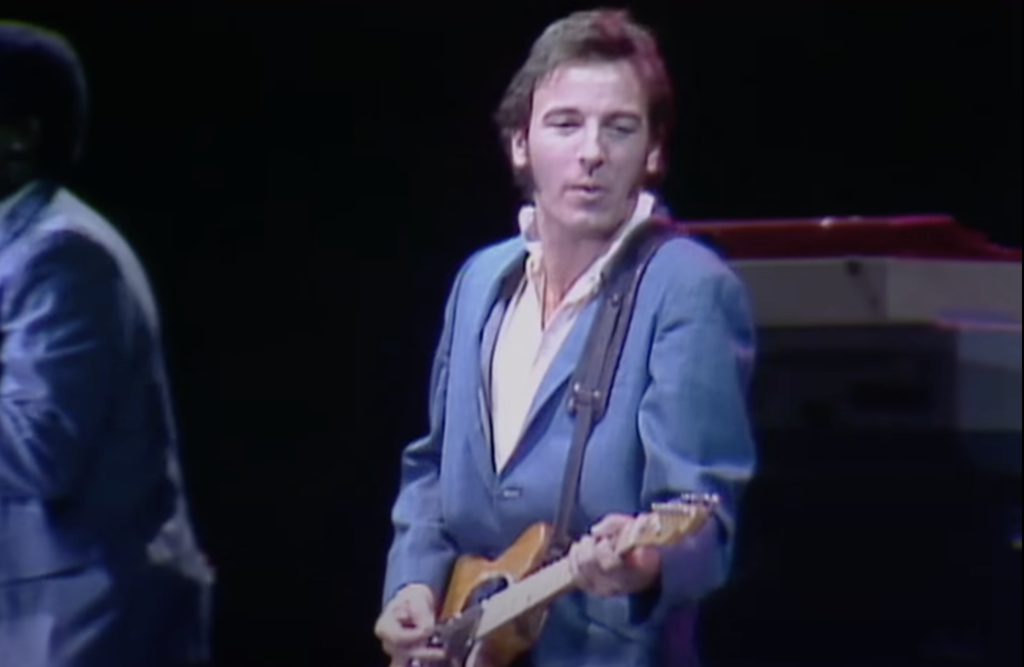
How Did Bruce Springsteen Write “Born to Run”

screenshot from https://youtu.be/IxuThNgl3YA

Bruce Springsteen’s 1975 album, “Born to Run,” is widely regarded as one of the greatest rock albums of all time. The title track, in particular, has become an anthem for an entire generation of fans, capturing the restless energy and romantic dreams of youth. But how did Springsteen write this classic song, and what inspired its iconic sound and lyrics?

According to Springsteen himself, “Born to Run” was the result of a long and grueling writing process. In the mid-1970s, Springsteen was struggling to find his voice as a songwriter, and he spent countless hours holed up in his apartment, working on new material. It was during this time that he began to develop the sound and themes that would come to define his music, drawing on influences as diverse as rock and roll, soul, country, and folk.

As Springsteen told Rolling Stone in 1975, “Born to Run” was a song that he had been working on for years, constantly revising and refining it until he felt that it was ready to be recorded. “I was still fumbling for something,” he explained. “I had been fumbling for something for years. And ‘Born to Run’ was the first time that I felt that I had sung something that was entirely me.”

The song’s famous opening lines, “In the day we sweat it out on the streets / Of a runaway American dream,” capture the restless energy and sense of yearning that would become a hallmark of Springsteen’s music. The lyrics speak to the struggles and aspirations of working-class Americans, and the desire to escape the limitations of a world that seems to be closing in around them.

Musically, “Born to Run” draws on a wide range of influences, from Phil Spector’s “Wall of Sound” production to the raw energy of early rock and roll. Springsteen has cited artists like Roy Orbison, Bob Dylan, and Elvis Presley as key inspirations for the song, and you can hear echoes of their music in its soaring melodies and driving rhythms.
One of the key elements of “Born to Run” is the saxophone solo that punctuates the song’s climax. Springsteen has said that he wrote the solo specifically for Clarence Clemons, the E Street Band’s legendary saxophonist. According to Springsteen, he had the solo in his head for months before he was able to figure out how to play it on the guitar. Once he had it down, he showed it to Clemons, who was able to translate it into the soaring saxophone solo that we hear on the final recording.

But perhaps the most important factor in the creation of “Born to Run” was Springsteen’s own life and experiences. Like many of his songs, “Born to Run” draws heavily on Springsteen’s own background, from his working-class upbringing in New Jersey to his struggles with relationships and personal identity.

In interviews, Springsteen has spoken at length about the themes and emotions that inspired “Born to Run.” He has talked about the sense of isolation and loneliness that he felt growing up, and the desire to escape that drove him to pursue a career in music. He has also discussed his own struggles with depression and anxiety, and how those experiences informed his songwriting.

But despite its deeply personal origins, “Born to Run” has taken on a life of its own over the years, becoming an anthem for generations of fans around the world. Its message of hope, perseverance, and the power of dreams has resonated with listeners of all ages and backgrounds, and its soaring melodies and unforgettable lyrics continue to inspire new generations of musicians and fans.

The story of how Bruce Springsteen wrote “Born to Run” is a testament to the power of perseverance, determination and creativity. It took years of hard work and experimentation for Springsteen to develop the sound and vision that would define his music, and even then, he continued to refine and revise his work until he felt that it was ready to be recorded.

But the effort was worth it. “Born to Run” became a massive hit, catapulting Springsteen to international fame and cementing his status as one of the greatest songwriters of his generation. Its influence can be heard in countless songs that have come since, and its legacy continues to inspire and motivate musicians and fans around the world.
Note that in the mid-1970s, Springsteen was already an established artist, having released two albums to critical acclaim but limited commercial success. He had also built a reputation as a dynamic live performer, renowned for his marathon shows and his ability to connect with audiences on a deep emotional level.

However, Springsteen was still searching for his breakthrough, both artistically and commercially. He was determined to create an album that would capture the raw energy and spirit of his live shows, while also showcasing his growing maturity as a songwriter and musician.

According to Springsteen himself, the creative process for “Born to Run” was a long and often difficult journey. He spent months writing and revising the songs, working tirelessly to capture the perfect sound and vision for the album.
At the same time, Springsteen was grappling with personal demons, including a tumultuous love life and a growing sense of disillusionment with the music industry. He poured these experiences into his songwriting.

One of the most iconic songs on the album is the title track, “Born to Run,” which features some of Springsteen’s most powerful and evocative lyrics. The song tells the story of two young lovers who are trying to escape their mundane lives and find a sense of freedom and purpose on the open road.

Producer Jon Landau, who had previously worked with artists like Aerosmith and J. Geils Band, was instrumental in helping Springsteen to achieve the sound he was looking for. He pushed the musicians to their limits, and encouraged Springsteen to take risks and experiment with different arrangements and instrumentation.

The result was an album that was both raw and polished, a perfect reflection of Springsteen’s unique voice and vision. “Born to Run” was released in August 1975 to widespread critical acclaim, and quickly became a commercial success.
“Born to Run” represented a turning point in Springsteen’s career, and in the history of rock and roll.

“Born to Run” has continued to inspire and influence musicians and fans around the world. Its themes of hope, struggle, and the search for meaning and purpose continue to resonate with audiences of all ages, and its iconic sound and imagery have become part of the fabric of American culture.