Category Archives: Music in New Jersey

What is the role of music education in New Jersey?

In New Jersey, music education holds a crucial position in shaping the lives of students and enriching the cultural fabric of the state. As an essential component of a well-rounded education, music programs in schools play a multifaceted role in fostering creativity, cognitive development, emotional expression, and community engagement. In this article, we will delve into the significance of music education in New Jersey, exploring its impact on academic achievement, personal growth, social skills, and the overall appreciation and preservation of the state’s rich musical heritage.

Enhancing Cognitive Skills and Academic Achievement
Music education has been shown to enhance cognitive skills and academic achievement in students. Numerous studies have revealed that learning to read and play music can improve mathematical abilities, spatial reasoning, and language skills. The discipline required to practice an instrument or participate in a choir also nurtures time management and organizational skills. Schools in New Jersey that offer music education provide students with an opportunity to excel academically while simultaneously cultivating their artistic abilities. This holistic approach to education allows students to develop a well-rounded skill set that not only boosts academic performance but also instills a lifelong love for music and the arts.

Fostering Creativity and Emotional Expression
Music education provides a nurturing environment for students to explore their creativity and emotional expression. Through composing, improvising, and performing music, students can channel their emotions and find a means of self-expression that may be difficult through other mediums. Music has the unique ability to convey a wide range of feelings, and participating in music ensembles or individual practice offers students an outlet for their emotions. In New Jersey, music teachers play a pivotal role in guiding students to explore various musical genres, instruments, and styles, fostering an appreciation for diverse forms of expression.

Building Social and Emotional Skills
Engaging in music education fosters social and emotional development in students. Participating in music ensembles, such as bands, choirs, or orchestras, requires collaboration, teamwork, and empathy. Students learn to listen to one another, adapt to different playing styles, and work together to create a cohesive musical experience. Music education also teaches discipline, resilience, and perseverance, as students face challenges in mastering new techniques and pieces. These valuable life skills go beyond the realm of music and prepare students for success in various personal and professional endeavors.

Promoting Inclusivity and Diversity
Music education in New Jersey celebrates diversity and promotes inclusivity. Schools across the state embrace a wide range of musical genres and styles, reflecting the cultural richness of the region. By exposing students to music from different cultures and backgrounds, music education fosters an appreciation for diversity and nurtures a sense of respect for all cultures. Additionally, music programs offer opportunities for students with diverse talents and interests to find their niche, whether it be through instrumental performance, vocal arts, music production, or music theory. In this way, music education serves as a unifying force, bringing together students from various backgrounds to create harmonious and inclusive learning environments.

Preserving New Jersey’s Musical Heritage
Music education plays a vital role in preserving and promoting New Jersey’s musical heritage. The state has a rich musical legacy, with influential artists and genres that have contributed to the broader music industry. By integrating local music traditions, history, and artists into music curricula, schools in New Jersey keep the state’s cultural heritage alive and pass it on to future generations. Music educators act as custodians of this heritage, ensuring that students are exposed to the diverse musical legacies of New Jersey, from the Jersey Shore sound to the jazz heritage of Newark and the pioneering rock of Asbury Park. Through music education, New Jersey continues to cultivate a new generation of musicians and enthusiasts who appreciate and honor the state’s musical roots.

In New Jersey, music education holds a multifaceted and vital role in shaping the lives of students and contributing to the state’s cultural vitality. By fostering creativity, enhancing cognitive skills, building social and emotional intelligence, promoting inclusivity, and preserving New Jersey’s musical heritage, music education serves as an integral component of a well-rounded education. Through the guidance of dedicated music teachers and the support of the community, students in New Jersey are given the opportunity to explore, express, and appreciate the transformative power of music, enriching their minds, hearts, and souls as they embark on their educational journey and beyond.

What are the iconic music venues in New Jersey?

New Jersey’s rich musical heritage and vibrant music scene are complemented by a diverse array of iconic music venues. From legendary theaters and historic ballrooms to modern concert halls and intimate clubs, these venues have played a pivotal role in shaping the state’s musical identity. In this article, we will embark on a journey through some of the most celebrated music venues in New Jersey, highlighting their historical significance, unique characteristics, and contributions to the state’s dynamic cultural landscape.

The Stone Pony, Asbury Park
Arguably one of the most famous music venues in New Jersey, The Stone Pony in Asbury Park has a storied history in the state’s music scene. Since its opening in 1974, the venue has hosted performances by renowned artists like Bruce Springsteen, Southside Johnny, and Bon Jovi, helping to launch their careers. Often associated with the rise of the Jersey Shore sound, The Stone Pony has become a symbol of rock ‘n’ roll and a pilgrimage site for music enthusiasts. With its intimate setting and beachside location, the venue continues to draw crowds seeking to experience the spirit of New Jersey’s musical past.

Count Basie Center for the Arts, Red Bank
Originally known as the Carlton Theater, the Count Basie Center for the Arts in Red Bank is a historic landmark with a rich history dating back to the early 20th century. Renamed in honor of jazz legend Count Basie, who was born in Red Bank, the venue has hosted a wide range of performances, from jazz and blues to rock and classical concerts. With its elegant architecture and superb acoustics, the Count Basie Center provides an enchanting setting for both musicians and audiences. Today, the venue continues to be a hub for cultural events, showcasing a diverse lineup of artists and maintaining its status as one of New Jersey’s premier concert halls.

The Wellmont Theater, Montclair
Originally built in 1922 as a movie theater, The Wellmont Theater in Montclair has undergone several transformations before establishing itself as a beloved live music venue. After extensive renovations in the 2000s, the theater reopened in 2008, welcoming a myriad of music acts across genres such as rock, pop, hip-hop, and alternative. The Wellmont’s grand interior and state-of-the-art sound and lighting systems create an immersive concert experience for attendees. Its unique blend of historic charm and modern amenities has made it a popular destination for both artists and fans, solidifying its place as a cultural centerpiece in Montclair and beyond.

The Starland Ballroom, Sayreville
Located in Sayreville, The Starland Ballroom has been a prominent fixture in the New Jersey music scene since its inception in 2003. As a versatile venue, it has hosted an impressive roster of artists, ranging from punk and metal bands to pop and alternative rock acts. The Starland Ballroom’s spacious layout and standing-room capacity make it an ideal space for high-energy concerts and electrifying performances. The venue’s dedication to providing a top-notch live experience has earned it a loyal following among music enthusiasts, establishing it as a premier destination for both established artists and up-and-coming talents alike.

The Bowery Ballroom, New York City
While technically located across the Hudson River in New York City, The Bowery Ballroom holds a special place in the hearts of many New Jersey music lovers. Known for its intimate ambiance and outstanding acoustics, the venue has hosted a plethora of bands and musicians from various genres. Its close proximity to New Jersey has made it a go-to destination for residents looking to enjoy live music from both local acts and internationally acclaimed artists. With its welcoming atmosphere and a reputation for hosting memorable performances, The Bowery Ballroom remains a cherished space for music enthusiasts on both sides of the Hudson.

New Jersey’s iconic music venues are more than just stages for performances—they are living testaments to the state’s deep musical heritage and vibrant artistic culture. From the legendary Stone Pony in Asbury Park to the elegant Count Basie Center for the Arts in Red Bank and the versatile Starland Ballroom in Sayreville, these venues have been witness to countless unforgettable moments in the state’s music history. As they continue to provide platforms for both established and emerging artists, these iconic music venues reaffirm their place as cherished destinations for music lovers, enriching the cultural fabric of New Jersey with every mesmerizing performance.

What is the significance of music festivals in New Jersey?

Music festivals hold a special place in the cultural landscape, offering a unique blend of artistry, community, and celebration. In New Jersey, these gatherings have become an integral part of the state’s musical identity, attracting both local talent and renowned artists from around the world. In this article, we will delve into the significance of music festivals in New Jersey, exploring their impact on the local music scene, tourism, community engagement, and the overall cultural fabric of the Garden State.

Showcasing Local Talent
One of the key roles played by music festivals in New Jersey is their ability to showcase local talent. These festivals provide a platform for emerging artists, bands, and musicians to share their craft with a wider audience. By giving these artists an opportunity to perform alongside established acts, festivals nurture the growth of the local music scene and contribute to its vibrancy. Additionally, festivals often include stages dedicated specifically to local acts, allowing them to gain exposure, build connections, and potentially attract industry professionals who can further their careers.

Economic Boost and Tourism
Music festivals in New Jersey generate a significant economic boost for the state and its local communities. They attract attendees from near and far, boosting tourism, hotel occupancy, and revenue for local businesses. Festivals often require logistics support, such as equipment rentals, food vendors, and transportation services, further stimulating the local economy. As festival-goers explore the surrounding areas, they may also visit nearby attractions, dine at local restaurants, and contribute to the overall tourism industry. By becoming a magnet for music enthusiasts, New Jersey’s festivals contribute to the state’s economic growth and showcase its appeal as a cultural destination.

Fostering Community Engagement
Music festivals create a sense of community and foster a shared experience among attendees. They bring together people from diverse backgrounds, united by their love for music. Festivals provide a space where individuals can connect, make new friends, and celebrate their shared interests. Beyond the music, festivals often incorporate art installations, workshops, and interactive activities, creating an immersive environment that encourages collaboration and creativity. Local communities also play an active role in these festivals, with volunteers, vendors, and organizers coming together to support the event. This collective engagement strengthens social bonds, builds a sense of belonging, and creates a positive cultural impact within the community.

Cultural Exchange and Diversity
Music festivals in New Jersey embrace diversity, both in terms of musical genres and the artists themselves. They showcase a wide range of musical styles, from rock and hip-hop to jazz, folk, and electronic music. By presenting a diverse lineup, festivals expose attendees to new sounds, encouraging exploration and appreciation of different genres. Furthermore, festivals often invite artists from various cultural backgrounds, contributing to a rich tapestry of artistic expression. This cultural exchange promotes understanding, acceptance, and celebration of diversity, fostering an inclusive atmosphere where people from all walks of life can come together to enjoy music.

Platform for Innovation and Experimentation
Music festivals provide a platform for innovation, experimentation, and boundary-pushing performances. Artists and bands often use festivals as an opportunity to unveil new material, collaborate with other musicians, or present unique stage productions. Festivals offer a more expansive and open-minded environment compared to traditional concert venues, allowing artists to push creative boundaries and engage with their audience in new ways. This atmosphere of experimentation not only enhances the festival experience for attendees but also inspires artists to continually evolve and create groundbreaking work.

Music festivals hold immense significance in New Jersey, serving as catalysts for artistic expression, community engagement, and economic growth. Through their promotion of local talent, contribution to the economy and tourism, fostering community engagement, embracing cultural diversity, and providing a platform for innovation, music festivals in New Jersey play a vital role in the state’s cultural fabric. These festivals create an immersive and transformative experience, bringing people together, celebrating music, and showcasing the unique talents of both local and international artists. As New Jersey continues to host a diverse array of music festivals, the state solidifies its position as a vibrant and thriving hub for music, fostering a sense of unity, creativity, and cultural exchange among its residents and visitors alike.

What are some popular songs about New Jersey?

New Jersey’s rich cultural heritage and vibrant music scene have inspired numerous musicians to craft songs that pay homage to the Garden State. From anthems celebrating its iconic cities and shorelines to heartfelt expressions of love and nostalgia, these songs capture the essence and spirit of New Jersey. In this article, we will take a journey through the realm of popular songs about New Jersey, exploring the diverse range of compositions that have put the state in the lyrical spotlight.

“Born to Run” by Bruce Springsteen
Arguably the most iconic song associated with New Jersey, “Born to Run” by Bruce Springsteen is a timeless anthem that captures the longing for freedom and the pursuit of dreams. Released in 1975, this energetic and passionate track not only showcases Springsteen’s masterful storytelling but also paints a vivid picture of the state’s working-class spirit and its vibrant music scene. The song’s mention of the “Highway 9” and the Jersey Shore has firmly rooted it in the hearts of New Jerseyans, making it an enduring symbol of resilience and the pursuit of the American Dream.

“Jersey Girl” by Tom Waits
Originally penned and recorded by Tom Waits in 1980, “Jersey Girl” gained further popularity when it was famously covered by Bruce Springsteen. This tender and affectionate ballad expresses a heartfelt devotion to a woman from New Jersey. While the lyrics don’t specifically reference the state, the song has become a beloved anthem among New Jersey residents, capturing their admiration and affection for their fellow “Jersey Girls.” With its soulful melody and evocative lyrics, “Jersey Girl” serves as a poignant tribute to the strong, resilient women of the Garden State.

“Atlantic City” by Bruce Springsteen
Another notable song by Bruce Springsteen that spotlights New Jersey is “Atlantic City.” Released in 1982, this haunting ballad depicts the struggles, dreams, and aspirations of individuals in a changing world. The song paints a vivid portrait of Atlantic City and the economic challenges faced by the region at the time. Its brooding melody and introspective lyrics have made it a poignant anthem of resilience, reflecting the indomitable spirit of the people of New Jersey. “Atlantic City” stands as a testament to Springsteen’s ability to capture the essence of a place and its people, striking a chord with listeners who understand the song’s themes on a deeply personal level.

“Wildwood Days” by Bobby Rydell
Taking a nostalgic trip down memory lane, “Wildwood Days” by Bobby Rydell is a cheerful and upbeat song that celebrates the vibrant atmosphere of Wildwood, a popular resort town on the Jersey Shore. Released in 1963, this catchy tune captures the carefree essence of summers spent on the boardwalk, dancing and making memories. With its infectious melody and joyful lyrics, “Wildwood Days” has become an enduring anthem for both visitors and locals alike, reminding them of the cherished moments spent in this iconic beach destination.

“My Hometown” by Bruce Springsteen
Bruce Springsteen’s “My Hometown” is a poignant and introspective song that reflects on the changes and struggles faced by a small town, which many interpret as being inspired by his own hometown of Freehold, New Jersey. Released in 1984, the song beautifully encapsulates the bittersweet nostalgia and the deep-rooted connection people feel toward their hometowns. With its heartfelt lyrics and moving melody, “My Hometown” strikes a universal chord, resonating with listeners who understand the complex emotions associated with their own places of origin.

New Jersey’s musical legacy is beautifully showcased through popular songs that pay homage to the state’s culture, cities, shorelines, and people. From Bruce Springsteen’s anthems like “Born to Run,” “Atlantic City,” and “My Hometown” to Bobby Rydell’s cheerful “Wildwood Days” and Tom Waits’ tender “Jersey Girl,” these compositions capture the diverse essence of the Garden State. Through their melodic storytelling and evocative lyrics, these songs have become musical touchstones, celebrating the unique character, resilience, and heartfelt emotions associated with New Jersey. As listeners embrace these songs, they find themselves drawn into a world that echoes the spirit and soul of the state they call home.

Who is the Most Famous Singer From New Jersey?

New Jersey has produced some of the most influential and celebrated musicians of the last century. From the rock and roll anthems of Bruce Springsteen to the soulful ballads of Whitney Houston, New Jersey’s music scene has left an indelible mark on the world of music. So who is the most famous singer from New Jersey, and what is their backstory?

Bruce Springsteen: The Boss

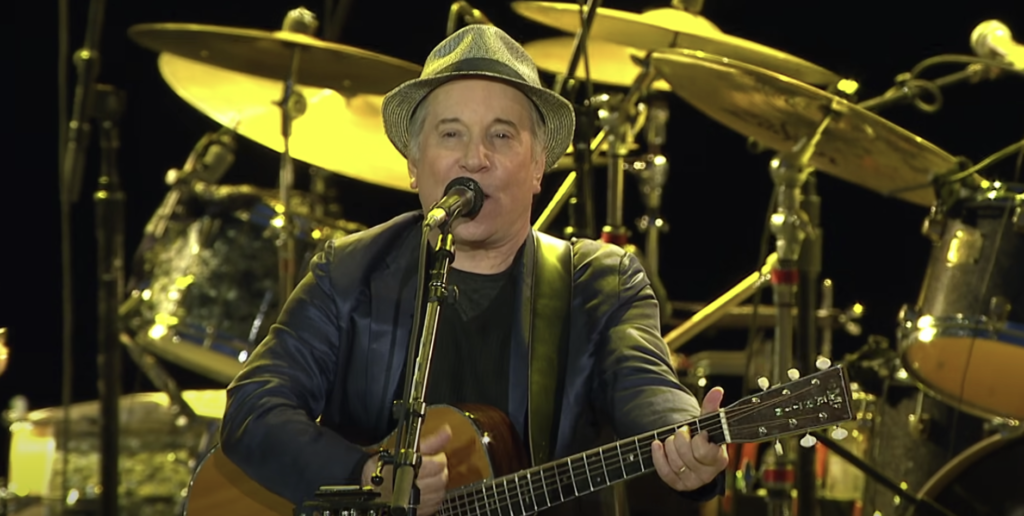
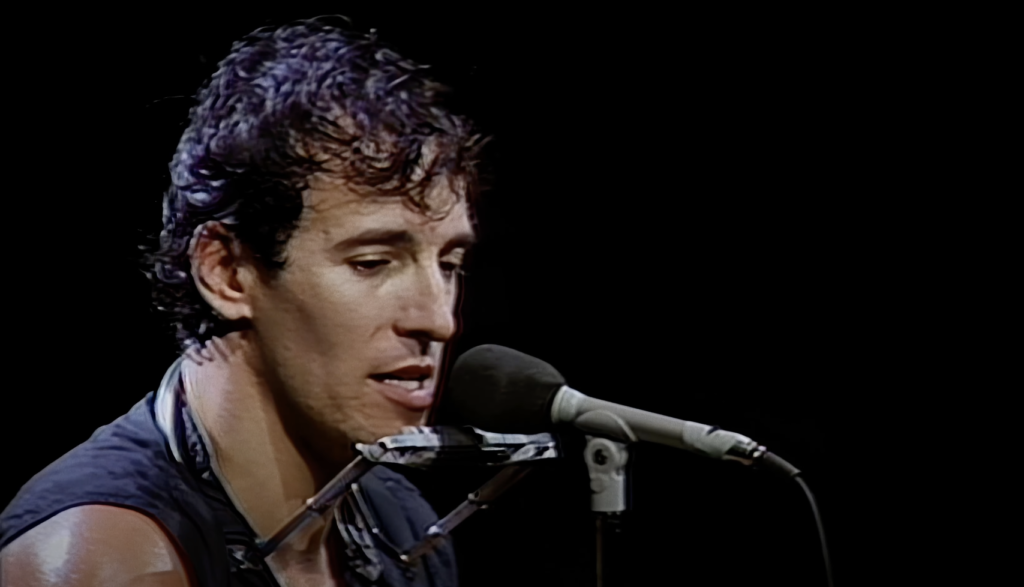
Bruce Springsteen – Los Angeles 1985

Bruce Springsteen is undoubtedly the most famous singer from New Jersey. Born in Long Branch in 1949, Springsteen began playing music at a young age and was influenced by the rock and roll of the 1950s and 1960s. He gained national attention with his third album, “Born to Run,” in 1975, and has been a staple of American music ever since. Known for his gritty, working-class lyrics and his energetic live performances, Springsteen has won countless awards and sold over 135 million records worldwide.


Whitney Houston: The Voice

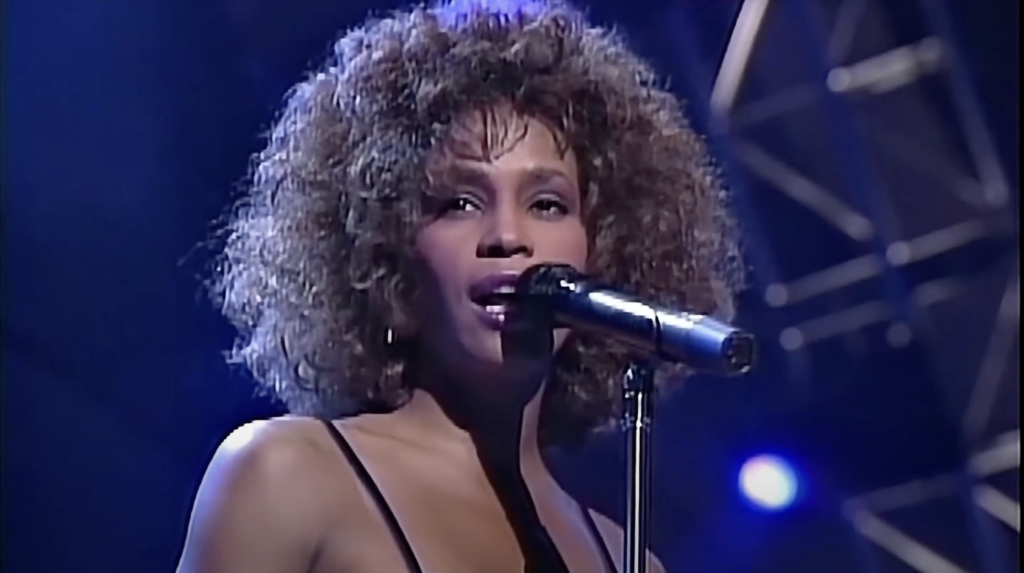
Whitney Houston is another incredibly famous singer from New Jersey. Born in Newark in 1963, Houston began singing in church as a child and was discovered by music mogul Clive Davis in the early 1980s. She quickly rose to fame with her self-titled debut album in 1985, which included hits like “Saving All My Love for You” and “How Will I Know.” Houston went on to become one of the best-selling artists of all time, with over 200 million records sold worldwide. Her incredible vocal range and powerful performances made her a true icon in the world of music.


Frank Sinatra: The Voice (part 2)

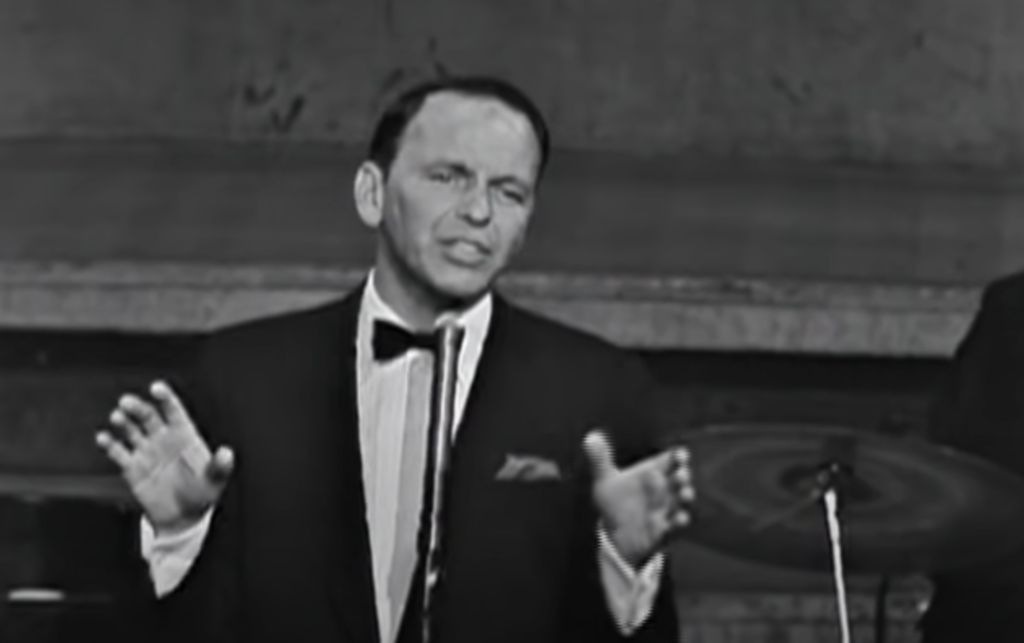
Although he was born in Hoboken, New Jersey, in 1915, Frank Sinatra’s impact on American music cannot be overstated. He began his career as a singer in the 1930s and quickly gained a following with his smooth vocals and romantic ballads. Known as “The Voice,” Sinatra went on to become one of the most successful and influential singers of all time, with over 150 million records sold worldwide. He was also an accomplished actor, winning an Academy Award for his role in “From Here to Eternity” in 1953.


Jon Bon Jovi: The Rock Star

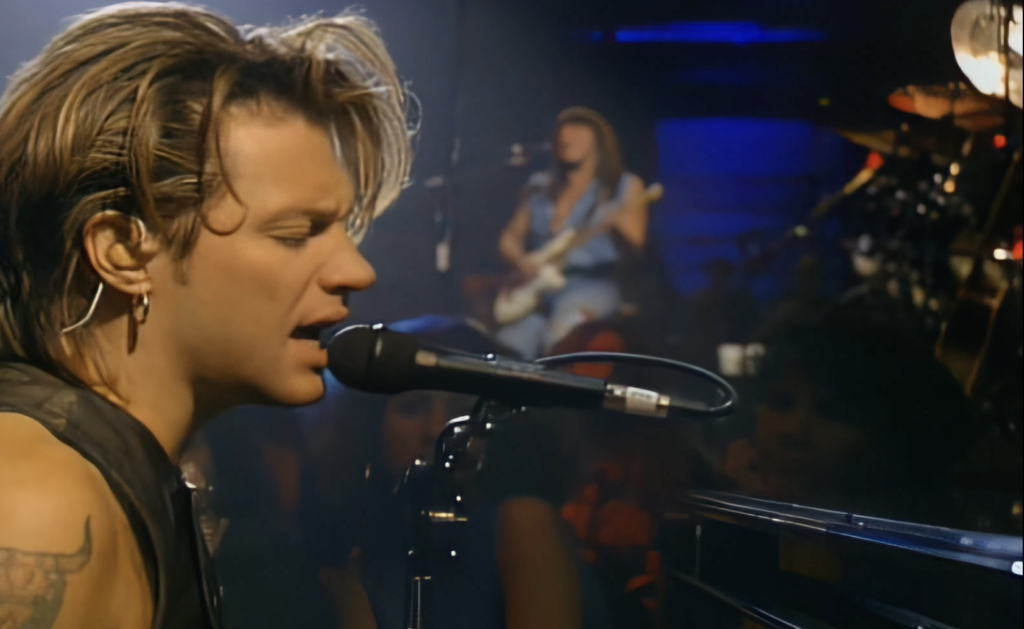
Born in Perth Amboy, New Jersey, in 1962, Jon Bon Jovi is the lead singer of the band Bon Jovi. The band formed in 1983 and quickly gained a following with their catchy, arena rock sound. Bon Jovi has sold over 100 million records worldwide and has won numerous awards for his music. He is also known for his philanthropy, and his charitable foundation has donated millions of dollars to various causes over the years.

Lauryn Hill: The R&B Sensation


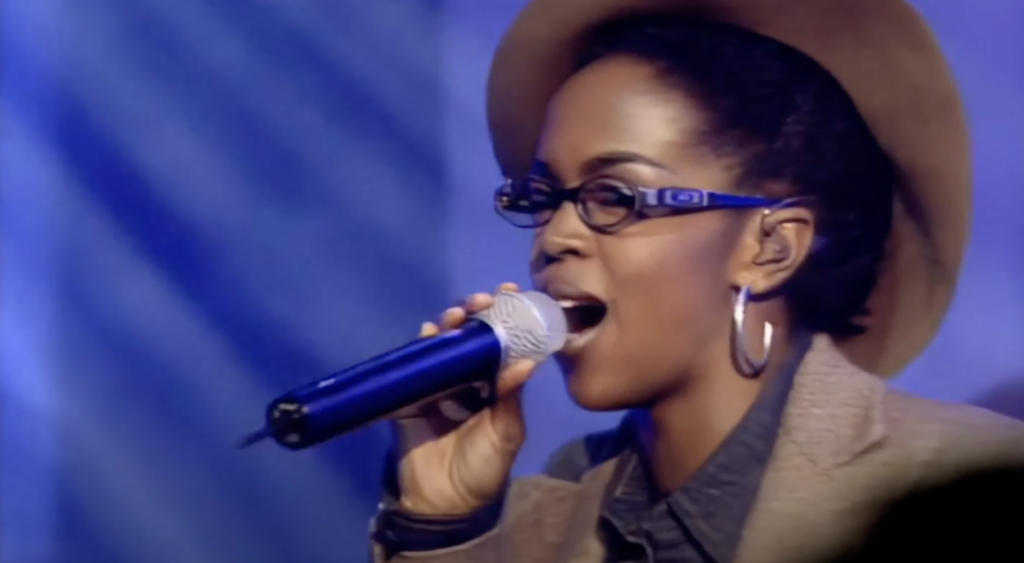
Lauryn Hill was born in South Orange, New Jersey, in 1975. She first gained attention as a member of the hip-hop group the Fugees in the 1990s, but it was her solo album, “The Miseducation of Lauryn Hill,” that truly made her a star. The album, which was released in 1998, won numerous awards and is considered one of the best albums of the 1990s. Hill’s unique blend of R&B, hip-hop, and soul has influenced countless artists since then.

Paul Simon: The Folk Rocker

Although he was born in Newark, New Jersey, in 1941, Paul Simon is perhaps best known for his work as one half of the duo Simon & Garfunkel. The pair gained fame in the 1960s with hits like “The Sound of Silence” and “Mrs. Robinson.” Simon went on to have a successful solo career, with hits like “50 Ways to Leave Your Lover”.

Where Do Some of the Top Singers From NJ Perform?
New Jersey has a vibrant music scene with a variety of venues that cater to different genres and audiences. From historic theaters to beachside bars, here are some of the most notable music venues in the state.

  1. The Stone Pony Located in Asbury Park, The Stone Pony is one of the most iconic music venues in New Jersey. It opened in 1974 and has hosted many famous acts, including Bruce Springsteen, who played there early in his career. The venue is known for its intimate setting and is a great place to see up-and-coming acts.
  2. PNC Bank Arts Center Located in Holmdel, PNC Bank Arts Center is a large amphitheater that can hold up to 17,500 people. It opened in 1968 and has hosted some of the biggest names in music, including Bon Jovi, Dave Matthews Band, and Elton John. The venue has both covered and uncovered seating areas and is a popular spot for summer concerts.
  3. Starland Ballroom Located in Sayreville, Starland Ballroom is a mid-sized venue that can hold up to 2,500 people. It opened in 2003 and has hosted many popular rock and metal acts, including Slipknot, Korn, and Slayer. The venue has a general admission standing room area and a few VIP seating options.
  4. Count Basie Center for the Arts Located in Red Bank, Count Basie Center for the Arts is a historic theater that opened in 1926. It was named after the famous jazz musician Count Basie, who was born in Red Bank. The theater hosts a variety of events, including concerts, plays, and stand-up comedy shows. It has a seating capacity of 1,568 and is known for its excellent acoustics.
  5. The Stone Church Located in Newmarket, The Stone Church is a small venue that has a capacity of just 200 people. It opened in 1832 as a church and was converted into a music venue in the 1970s. The venue has hosted many local and regional acts and is known for its intimate atmosphere.
  6. The Saint Located in Asbury Park, The Saint is a small venue that can hold up to 150 people. It opened in 1994 and has hosted many up-and-coming acts, as well as established artists. The venue has a cozy atmosphere and is a popular spot for local musicians.
  7. The Wonder Bar Located in Asbury Park, The Wonder Bar is a beachside bar that has a capacity of 700 people. It opened in 1945 and has hosted many famous acts, including Bruce Springsteen and Bon Jovi. The venue has both indoor and outdoor seating areas and is a popular spot for summer concerts.
  8. Maxwell’s Tavern Located in Hoboken, Maxwell’s Tavern is a small venue that has a capacity of 200 people. It opened in 1978 and has hosted many famous acts, including Nirvana and The Smashing Pumpkins. The venue has a cozy atmosphere and is known for its excellent food and drink menu.
  9. White Eagle Hall Located in Jersey City, White Eagle Hall is a historic venue that was built in 1910. It was recently renovated and reopened in 2017 as a music venue and event space. The venue has a capacity of 800 people and has hosted many famous acts, including Yo La Tengo and Mac DeMarco. It has a beautiful interior with original details and is a popular spot for weddings and other events.

What is the Music Scene Like in NJ?

New Jersey has a rich and diverse music scene that is deeply rooted in the state’s history and culture. From the birth of jazz in Newark to the thriving indie rock scene in Asbury Park, New Jersey has played a significant role in shaping the American music landscape. In this article, we will explore the different genres and venues that make up the music scene in NJ.

Jazz
Newark, NJ, is considered to be the birthplace of jazz in America. The city has produced some of the most influential jazz musicians in history, including Sarah Vaughan, James Moody, and Wayne Shorter. The Newark Museum of Art is home to the largest collection of Tibetan art in the Western Hemisphere, and it also features a jazz exhibit that highlights the history of jazz in Newark.

Newark is also home to the New Jersey Performing Arts Center, which is one of the premier performing arts venues in the state. The venue regularly hosts jazz concerts featuring both established and up-and-coming musicians. The Bethany Baptist Church in Newark is another popular venue for jazz performances, with a long history of hosting jazz concerts.

Rock and Pop
Asbury Park, NJ, has a rich history in rock and pop music, thanks to its famous boardwalk and beach. In the 1960s and 1970s, Asbury Park was a hot spot for rock and roll, with legendary musicians like Bruce Springsteen and Jon Bon Jovi playing in local clubs and bars. The Stone Pony, located on Ocean Avenue in Asbury Park, is one of the most famous venues in the city and has hosted countless iconic performances over the years.

The Asbury Lanes is another popular venue that has been recently renovated and now features a state-of-the-art sound system, bowling lanes, and a bar. The venue regularly hosts concerts featuring both local and national acts.

Hip Hop
Newark and Jersey City are two cities that have contributed significantly to the hip-hop scene in New Jersey. Newark’s hip hop scene has produced some of the most influential rappers in the country, including Redman, Naughty by Nature, and Queen Latifah. The city is home to the New Jersey Hip Hop Festival, which brings together local and national hip hop artists for a weekend of concerts and events.

Jersey City’s hip-hop scene is also thriving, with artists like Joe Budden and Ransom gaining national attention in recent years. The city is home to the Jersey City Hip Hop Festival, which is a two-day event that celebrates the hip-hop culture through music, dance, and art.

Classical Music
The New Jersey Symphony Orchestra is one of the most respected orchestras in the country, with a long history of performing classical music to audiences in New Jersey and beyond. The orchestra regularly performs at the New Jersey Performing Arts Center in Newark and other venues across the state.

The Princeton Symphony Orchestra is another popular classical music ensemble in New Jersey. The orchestra is known for its innovative programming and has earned critical acclaim for its performances. The Richardson Auditorium at Princeton University is the orchestra’s main performance venue.

Folk Music
The Folk Project is a nonprofit organization that promotes folk music and hosts regular concerts and events throughout the year. The organization is based in Morristown, NJ, and is dedicated to preserving and promoting traditional and contemporary folk music.
The Hoboken Arts and Music Festival is another popular event that features folk music and other genres. The festival takes place every year in May and attracts thousands of visitors from across the state.

Venues
In addition to the specific genres and artists, New Jersey is home to a variety of venues that cater to different types of music fans. The Prudential Center in Newark is one of the largest and most modern arenas in the state and regularly hosts major concerts and events. The PNC Bank Arts Center in Holmdel is another popular outdoor venue that attracts big-name acts and has a capacity of up to 17,500 people. The venue hosts a variety of concerts, festivals, and other events throughout the year.

The Count Basie Center for the Arts in Red Bank is another popular venue that hosts concerts and other performances. The venue is named after the legendary jazz musician Count Basie, who was born in Red Bank, and features a variety of genres, including rock, pop, jazz, and classical music. Red Bank, New Jersey is a popular spot, not just for music, but for fine dining, parks, and more.

The Starland Ballroom in Sayreville is a popular venue for rock and metal concerts and has a capacity of up to 2,500 people. The venue has hosted many well-known rock bands, including Fall Out Boy, Paramore, and My Chemical Romance.

In addition to these larger venues, there are many smaller clubs and bars throughout the state that host live music on a regular basis. Maxwell’s Tavern in Hoboken is a popular spot for indie rock and punk shows, while the Wonder Bar in Asbury Park is a favorite for local and regional acts. The Saint in Asbury Park is another popular venue for live music, featuring a variety of genres, including rock, hip hop, and electronic music.

In conclusion, New Jersey’s music scene is diverse and vibrant, with a rich history that has shaped the American music landscape. From the birth of jazz in Newark to the thriving indie rock scene in Asbury Park, New Jersey has something to offer music fans of all genres. With a variety of venues, festivals, and events, there are plenty of opportunities to catch live music throughout the state. Whether you’re a fan of classical music, hip hop, or rock and roll, there’s something for everyone in New Jersey’s music scene. In this article, we have explored the different genres and venues that make up the music scene in NJ.

What Type of Music is New Jersey Known For

New Jersey is known for its diverse music scene, with a wide variety of genres represented throughout the state. However, there are a few genres that have a particularly strong presence in the Garden State’s music history and culture.

One of the most prominent genres associated with New Jersey is rock and roll. The state has produced numerous influential rock musicians and bands, including Bruce Springsteen, Bon Jovi, The Four Seasons, Southside Johnny and the Asbury Jukes, and The Smithereens. Rock and roll music has a long and rich history in New Jersey, particularly in the city of Asbury Park. The legendary Stone Pony nightclub in Asbury Park has been a hub for rock music since the 1970s, hosting performances by countless famous rock musicians.

Another genre that has a strong presence in New Jersey is hip hop. The state has produced numerous successful hip hop artists, including Redman, Naughty by Nature, Queen Latifah, The Fugees, and Joe Budden. The city of Newark, in particular, has played an important role in the development of hip hop music in New Jersey, with notable figures such as DJ Tony Tone and MC Rapper G.

In addition to rock and hip hop, New Jersey is also known for its contributions to the genres of jazz and blues. The city of Camden, located in the southern part of the state, has a long history of blues music, with influential musicians such as Bill “The Goat” Carson and Sonny Til calling the city home. Jazz also has a strong presence in the state, with notable jazz musicians including Count Basie, Sarah Vaughan, and Wayne Shorter.
New Jersey also has a significant punk and indie music scene. Bands such as The Misfits, The Gaslight Anthem, and Screaming Females have all emerged from the state’s punk and indie scenes, and venues such as Maxwell’s in Hoboken and The Court Tavern in New Brunswick have long been important fixtures in the local music scene.

Another genre that has seen recent growth in New Jersey is electronic dance music (EDM). The state has hosted a number of popular EDM festivals, including Electric Adventure and Electric Daisy Carnival, and there are numerous clubs and venues throughout the state that feature DJs and electronic music.

Finally, New Jersey has a strong tradition of marching band music, particularly in its high schools and colleges. The state is home to several prestigious marching band programs, including the marching band at Rutgers University, which has been recognized as one of the top college marching bands in the country.

In summary, New Jersey’s music scene is characterized by its diversity and its contributions to a wide range of genres. From rock and roll to hip hop, jazz to blues, punk to EDM, the state has produced countless talented musicians and continues to be a hub for musical creativity and innovation.

Where Can You Listen to Music in NJ?
New Jersey has a vibrant and diverse music scene that caters to a wide range of musical tastes. From small bars and clubs to large outdoor amphitheaters, there are plenty of music venues in the state where you can catch your favorite artists.

One of the most iconic music venues in New Jersey is the Stone Pony in Asbury Park. The club opened in 1974 and has been a staple of the local music scene ever since. The Stone Pony has hosted some of the biggest names in music, including Bruce Springsteen, who got his start playing at the club. Today, the Stone Pony still hosts regular live music performances, with a focus on rock, indie, and alternative acts.

Another popular venue in Asbury Park is the Wonder Bar. The bar has a long history, dating back to the early 20th century when it was a popular spot for prohibition-era rum runners. Today, the Wonder Bar is known for its live music performances, with a focus on rock, blues, and jazz. The outdoor patio area is also a popular spot for concerts during the summer months.

If you’re looking for a larger venue, the Prudential Center in Newark is one of the state’s premier concert destinations. The arena has hosted some of the biggest names in music, including BeyoncĂ©, Lady Gaga, and Justin Timberlake. The Prudential Center also hosts regular sports events, so be sure to check the schedule before planning your visit.

The PNC Bank Arts Center in Holmdel is another popular concert destination in New Jersey. The outdoor amphitheater can accommodate up to 17,500 people and has hosted some of the biggest names in music, including Jimmy Buffett, Dave Matthews Band, and Aerosmith. The venue is known for its picturesque setting and is a popular spot for outdoor concerts during the summer months.

For a more intimate concert experience, check out the Count Basie Center for the Arts in Red Bank. The theater was originally built in 1926 and has since been restored to its former glory. Today, the Count Basie Center hosts a variety of performances, including concerts, plays, and stand-up comedy shows. The venue has a capacity of 1,500 and provides an intimate setting to see your favorite artists up close.

If you’re looking for a unique concert experience, check out the Starland Ballroom in Sayreville. The venue was originally a nightclub and has since been converted into a popular concert destination. The Starland Ballroom has a capacity of 2,500 and hosts a variety of musical genres, including rock, metal, and electronic music. The venue also has a large dance floor and plenty of room for dancing.

In addition to these venues, there are countless bars, clubs, and smaller venues throughout New Jersey that cater to local and regional music scenes. Whether you’re into rock, jazz, hip hop, or electronic music, there’s something for everyone in the state.

In conclusion, New Jersey has a rich musical history and a diverse range of music venues that cater to a wide range of musical tastes. From small bars and clubs to large outdoor amphitheaters, there are plenty of options for catching live music performances throughout the state. So whether you’re a lifelong resident or just passing through, be sure to check out some of the great music venues that New Jersey has to offer.

Read more article here:
https://www.nj.gov/nj/about/arts/music.html